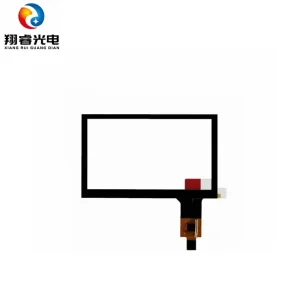
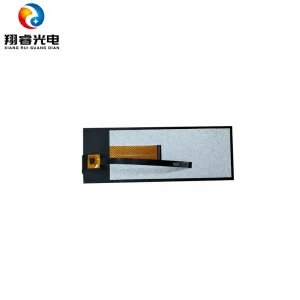
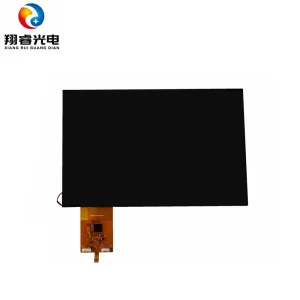
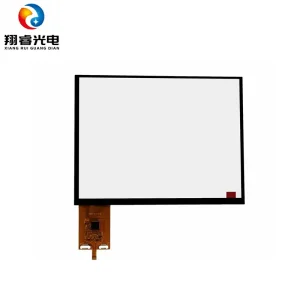
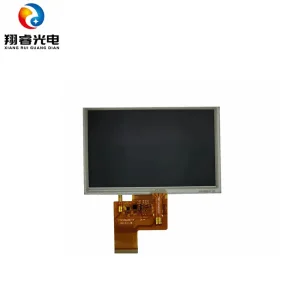
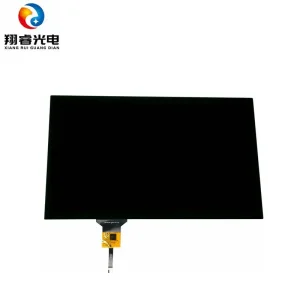
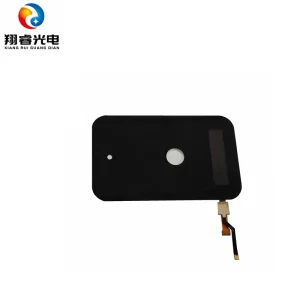
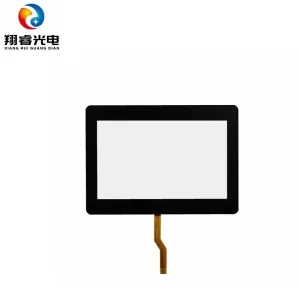
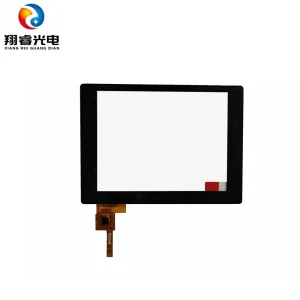
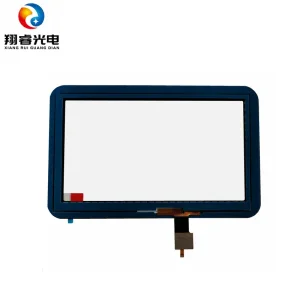
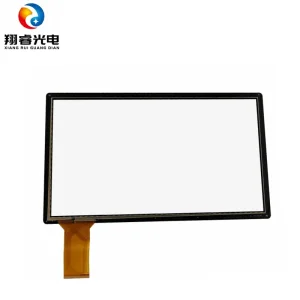
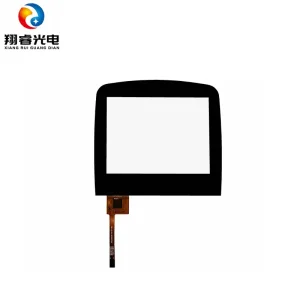
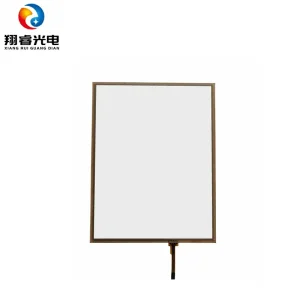
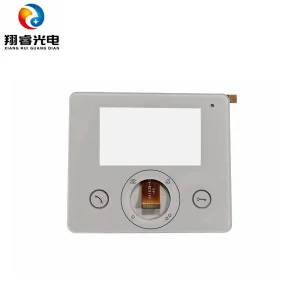
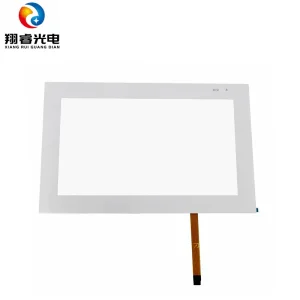
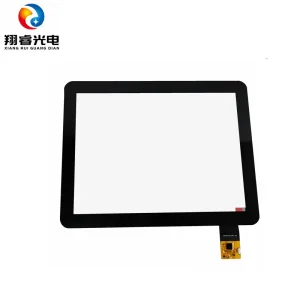
Despite the exponential growth of projected capacitive (PCAP) multi-touch panels in consumer electronics, 4-wire resistive touchscreens continue to serve as the structural backbone for mission-critical industrial, medical, and specialized hardware. Under severe environmental conditions—characterized by electromagnetic interference (EMI), chemical cleaning solutions, moisture exposure, and mandatory glove operations—resistive technology delivers unparalleled operational reliability.
Worldwide, procurement departments and systems integrators prioritize custom 4-wire resistive panels because they rely on mechanical pressure rather than electrical capacitance. This fundamental difference eliminates false triggers caused by water spray, industrial oils, or conductive liquids. As manufacturing workflows demand higher uptime and lower maintenance costs, selecting an experienced manufacturer capable of custom designs becomes a critical factor in product lifecycle success.
Understanding the internal electrical and mechanical structure of custom 4-wire resistive panels reveals why they are indispensable for heavy industries, medical devices, and marine instrumentation.
A 4-wire touchscreen features two transparent conductive Indium Tin Oxide (ITO) layers separated by small insulation spacer dots. The bottom glass substrate layer acts as one coordinate axis (e.g., X-axis), while the top flexible polyester (PET) film layer acts as the perpendicular coordinate axis (e.g., Y-axis).
When a finger or stylus presses the screen, the two conductive coatings make physical contact. The analog controller applies a voltage gradient across the active layer. By reading the voltage on the opposite layer, the controller calculates the exact X and Y coordinates of the contact point, ensuring precision tracking.
While 4-wire systems can experience minor drift over millions of actuations due to physical wear on the PET film, regular calibration cycles run through the device firmware maintain performance. Their simple layout makes them highly reliable for applications that do not require complex multi-touch gestures.
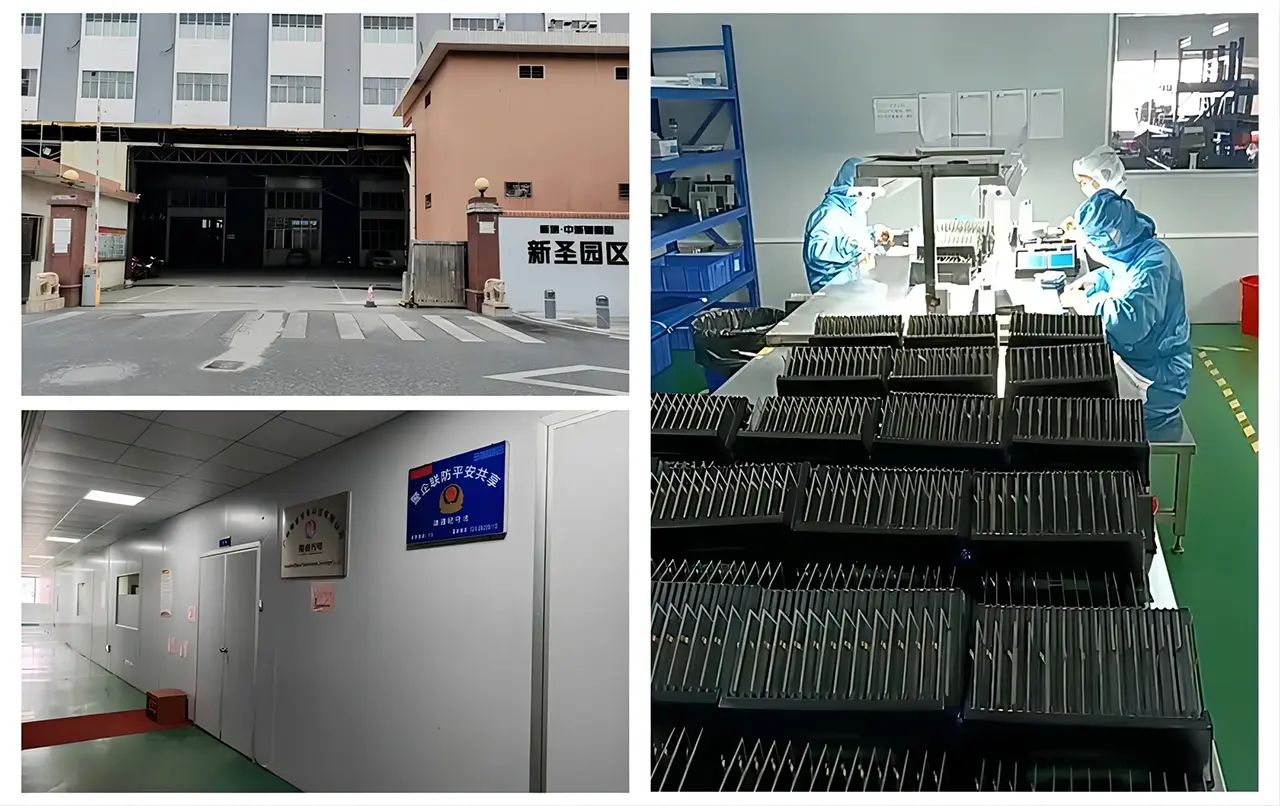
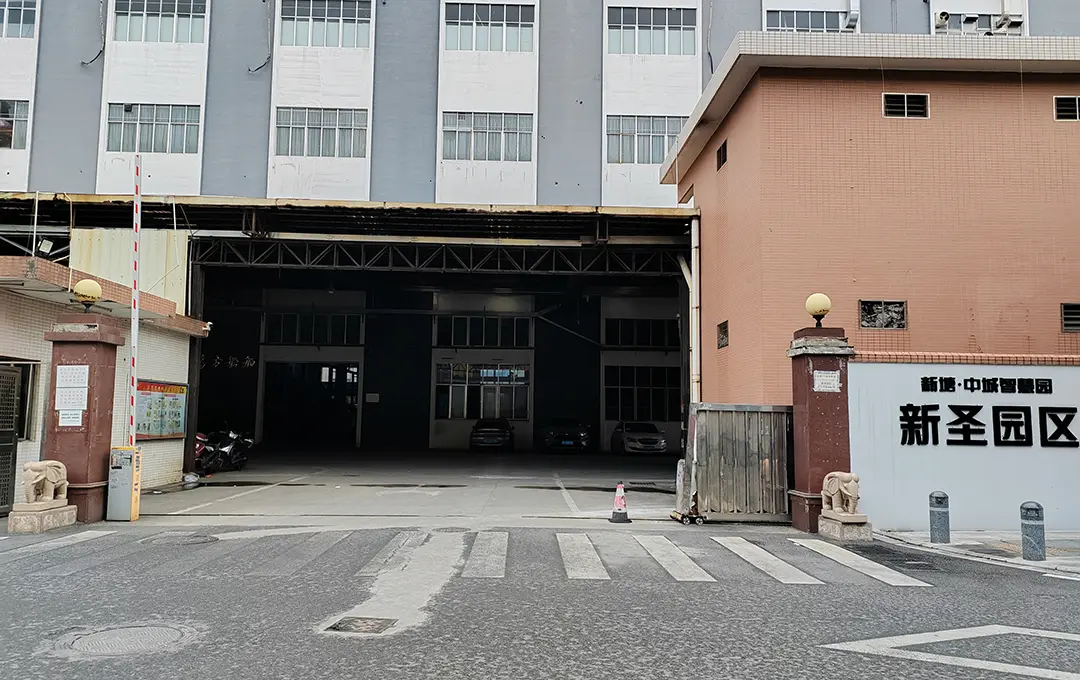
Founded in 2010 and located in Guangzhou, China, Guangzhou Xiangrui Optoelectronics Technology Co., Ltd. is a dedicated manufacturer specialized in the research, development, production, and custom service of high-quality resistive touch panels, projected capacitive touch panels, cover glass, and complete optical bonding solutions.
Over the last decade, we have established ourselves as an industry leader by focusing on rigorous engineering, cost control, and customer-first services. We provide extensive OEM and ODM solutions, supporting projects from rapid prototyping to high-volume manufacturing. Our state-of-the-art production facility spanning 3,000 square meters features advanced cleanroom environments rated to class 100, class 1,000, and class 10,000, ensuring maximum optical clarity and clean manufacturing processes.
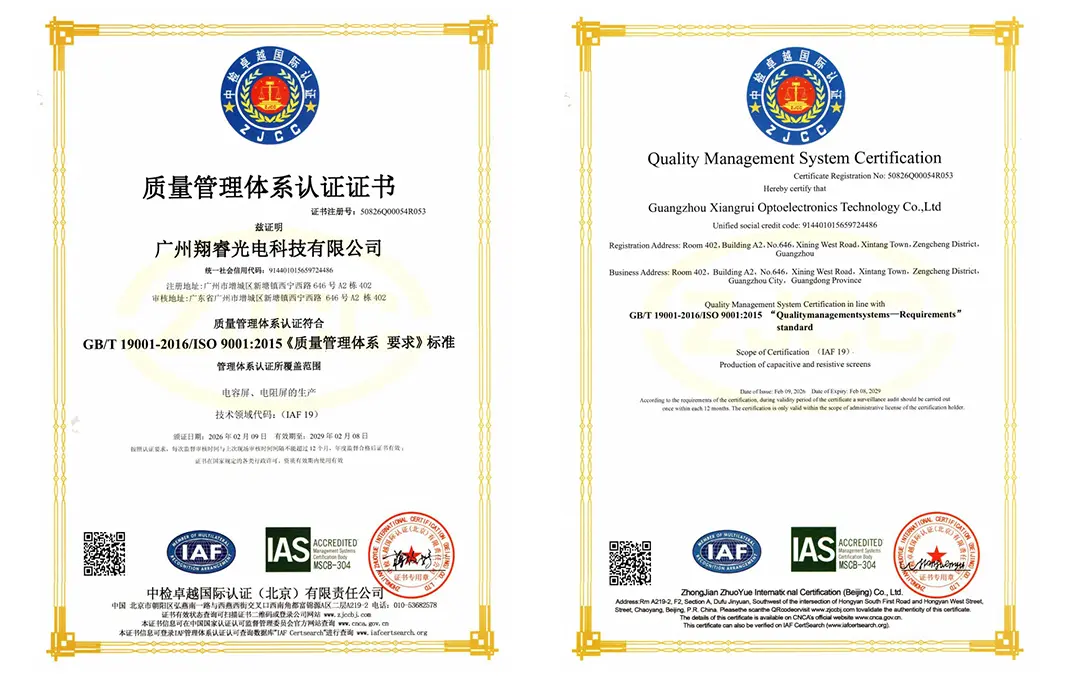
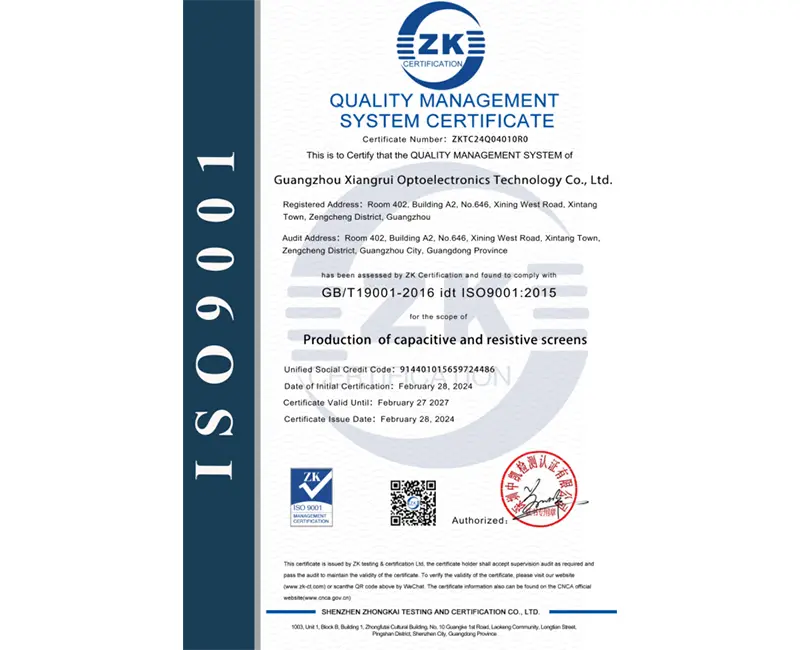
Quality and environmental stewardship are the core of our business. Our factory is fully certified under the ISO 9001:2015 Quality Management System and ISO 14001:2015 Environmental Management System. In 2022, we were officially recognized as a High-Tech Enterprise in Guangdong Province. We ensure that all raw materials and processes meet international compliance demands, supporting long-term stability and product lifecycle tracking.
Partnering with a Guangzhou-based touch panel specialist offers significant competitive advantages in production efficiency, rapid iteration, and supply chain control.
Located in the heart of the Pearl River Delta electronics cluster, our Guangzhou facility sources raw materials—including raw ITO film, chemical reagents, FPC tails, and cover glass—with minimal lead time and lower shipping overheads. This geographic advantage translates into direct cost savings for our global customers.
Our dedicated R&D and engineering teams convert conceptual designs into physical samples within days. We optimize panel layouts, tail routing, and mounting gaskets on short cycles. Once finalized, our automated printing and laminating machines scale up to high-volume production with consistent quality.
Dust contamination is the main cause of defects and optical deterioration in touch screens. Utilizing Class 100 and Class 1,000 cleanroom facilities for high-precision steps—such as optical bonding (OCA/LOCA) and ITO film lamination—we maintain high yield rates, ensuring that every touch panel is optically clear and durable.
Custom 4-wire resistive touchscreens are engineered to adapt to diverse applications across demanding operating conditions.
CNC machinery, factory dashboards, and control terminals operate reliably with resistive touchscreens, ignoring oil spatters, dust, and electrical noise from surrounding motors.
Surgical monitors, fluid pumps, and diagnostic systems require thick glove compatibility and resistance to chemical disinfectants, making custom resistive touchscreens a perfect fit.
Embedded kitchen appliances, white goods, and smart thermostats integrated with resistive touch panels resist accidental triggers from grease, steam, or wet fingers.
Payment terminals and biometric verification hubs utilize custom touch coatings to protect sensor glass, offering vandal resistance and stable operation under heavy public use.
When sourcing custom 4-wire resistive touch panels from a China manufacturer, specifying standard parameters ensures compatibility with your master control board and housing. Below are the key design choices our engineering team optimizes for you:
The resistive touch industry continues to evolve, adapting to modern smart factory and human-machine interface requirements.
To overcome scratches on the top PET layer of traditional resistive screens, manufacturers use a very thin glass film as the top active layer (Glass-Film-Glass). This hybrid design maintains the benefits of pressure activation while upgrading hardness from 3H to over 7H, preventing screen damage in heavy industrial settings.
Optical bonding uses liquid OCR or solid OCA adhesive layers to eliminate the air gap between the touch panel and the underlying LCD screen. This upgrade increases drop-test strength, prevents dust/condensation buildup, and significantly improves readability under bright sunlight.
Standardizing resistive controllers with universal USB or I2C interfaces allows design engineers to upgrade older equipment without rewriting operational drivers. This direct plug-and-play capability shortens product development and upgrade timelines.
Expert answers to common engineering, procurement, and customization questions.
The primary difference lies in how voltage gradients are applied and measured. A 4-wire resistive screen uses one layer for the X-axis coordinate and the other for the Y-axis. If the top PET layer is scratched, coordinate detection can fail. A 5-wire touchscreen applies all voltage gradients to the bottom glass layer, using the top film only as a sensor probe, which increases life expectancy to 35 million actuations. 8-wire touchscreens use additional sensing lines to automatically recalibrate and correct for voltage drift over time, offering high coordinate accuracy in large-format displays.
Yes, resistive touchscreens can achieve IP65 ingress protection when built with specialized gaskets, front bezels, and silicone/foam sealants. Because resistive screens rely on physical pressure rather than electrical capacitance, rain, water spray, and heavy moisture will not cause false touch triggers, making them highly reliable for outdoor washdown environments.
Optical bonding replaces the internal air gap between the touch sensor and the LCD screen with transparent optical gel or adhesive. This improves light transmission (reducing internal reflections from 8% to under 0.5%), increases structural resistance to shock and vibration, and prevents condensation or dust accumulation between the layers.
As a custom supplier, we customize the dimensional layout, cover glass thickness, FPC tail length, pinouts (4-pin standard or custom layouts), optical surface treatments (Anti-Glare, Anti-Reflective, Anti-Fingerprint), logo printing, and the integration of control board ICs (USB, RS232, I2C).
A standard 4-wire resistive touchscreen is rated for over 1 million single-point finger touches under normal operating pressure. By using high-quality Japanese PET film and optimized spacer dot patterns, our premium touchscreens maintain performance beyond standard ratings. For high-frequency use cases, we recommend our 5-wire resistive touch panels.
 Xiangrui Optoelectronics