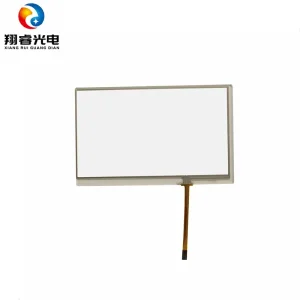
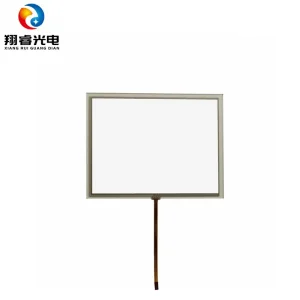
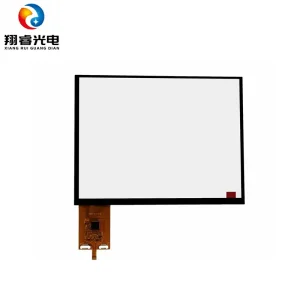
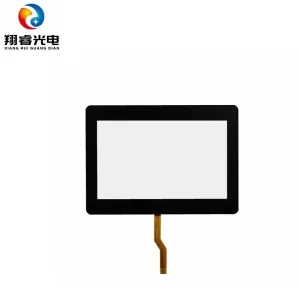
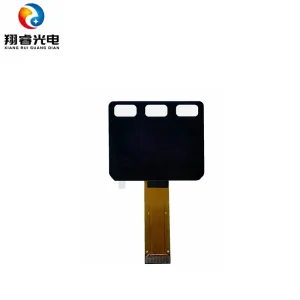
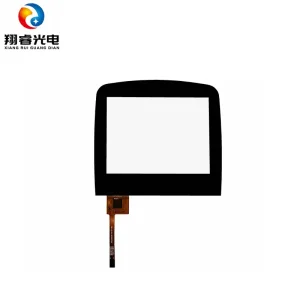
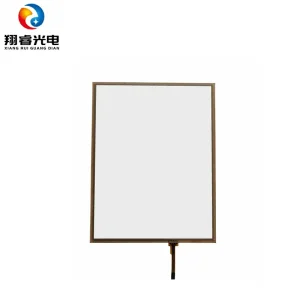
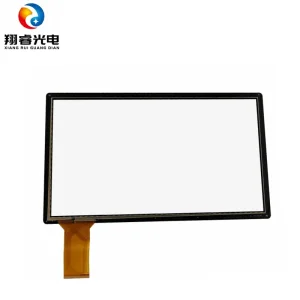
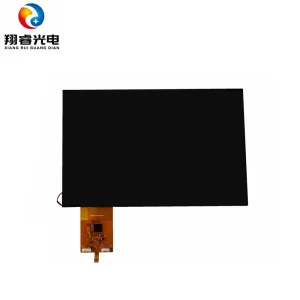
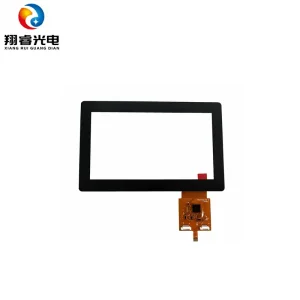
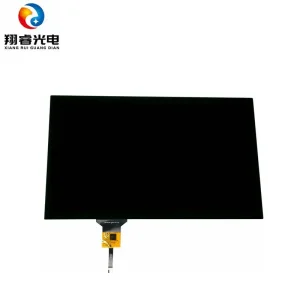
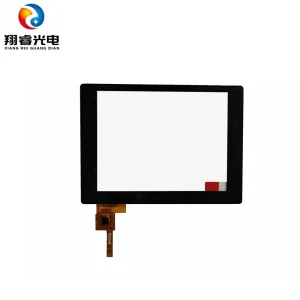
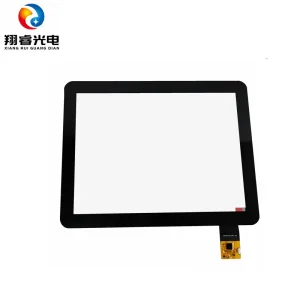
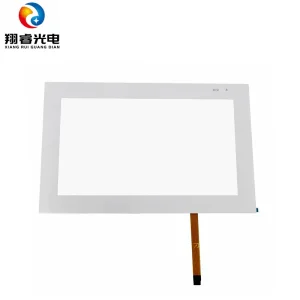
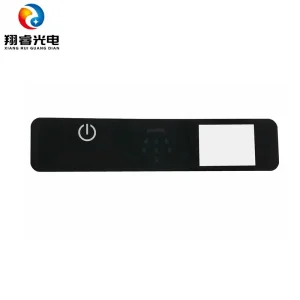
Explore our high-performance touch screen panels customized to industrial-grade standards, ready for seamless physical integration.
An in-depth perspective on market developments, technological demands, and performance criteria for modern human-machine interfaces.
In modern industrial automation, medical diagnostics, and public kiosks, the Human-Machine Interface (HMI) has shifted from simple mechanical switches to highly complex, integrated, and custom-designed TFT touch display systems. Global companies seek touch modules that handle harsh environments while delivering reliable touch interactions. Demands focus on optical clarity, structural integrity, electromagnetic compatibility (EMC), and resistance to physical and chemical exposure.
Whether deploying high-brightness touch panels in marine navigation, chemically hardened cover glass in medical diagnostics, or high-performance resistive overlays in heavy industry, customized assemblies form the core of current device design. The selection of touch architecture—mainly Projective Capacitive (PCAP) or Resistive—depends heavily on the operational environment, environmental noise, and tactile requirements (such as gloved use or wet fingers).
Integrating custom displays involves complex engineering. For outdoor terminals, displays must combat high ambient light using high-brightness TFT panels (often exceeding 1000 nits) paired with Anti-Reflective (AR) and Anti-Glare (AG) surface treatments. For industrial systems, electromagnetic interference (EMI) from heavy machinery can cause ghost touch actions. High-grade controller ICs (such as EETI or ILITEK) require fine tuning of noise filters to ensure signal integrity.
Medical applications, meanwhile, require flat cover glass designs to prevent chemical contamination and allow regular disinfection. With trends toward touch payment terminals and palm print recognition systems, high resolution, mechanical strength, and reliable touch sensors have become critical standards across the board.
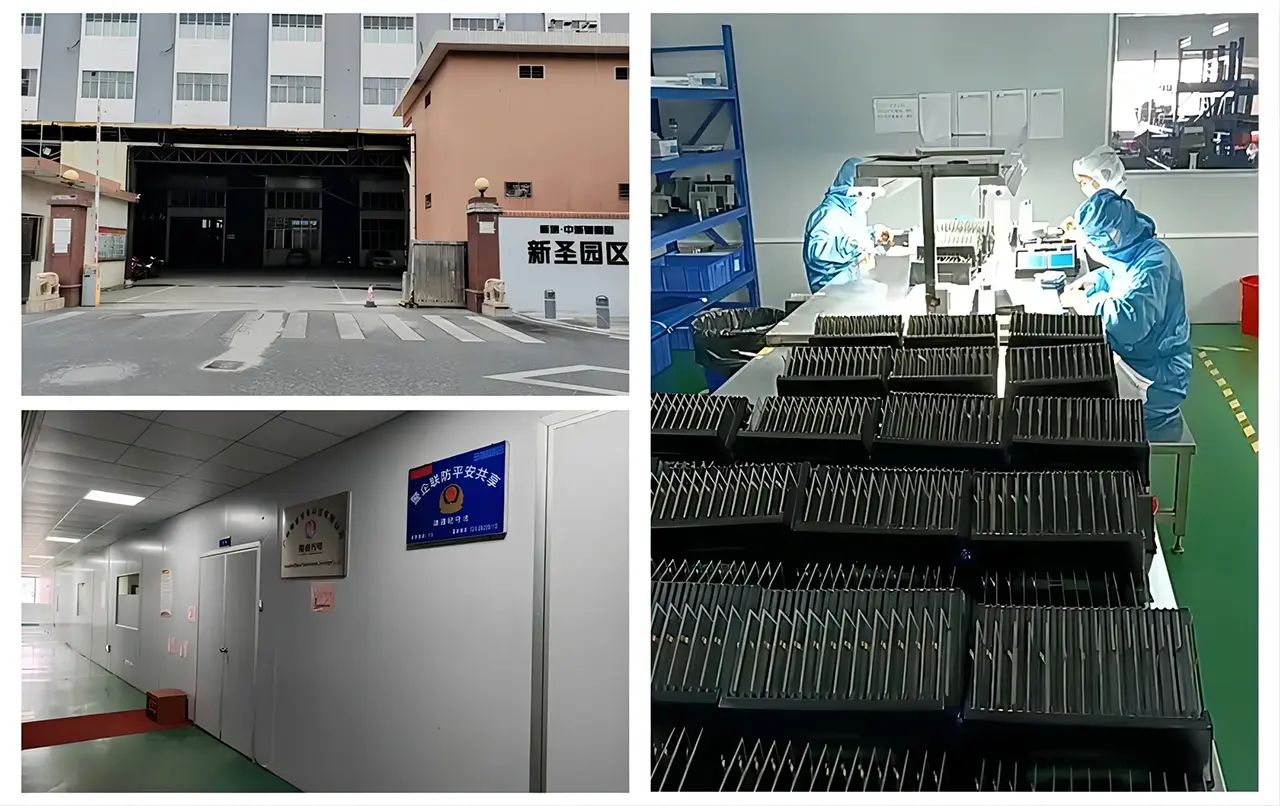
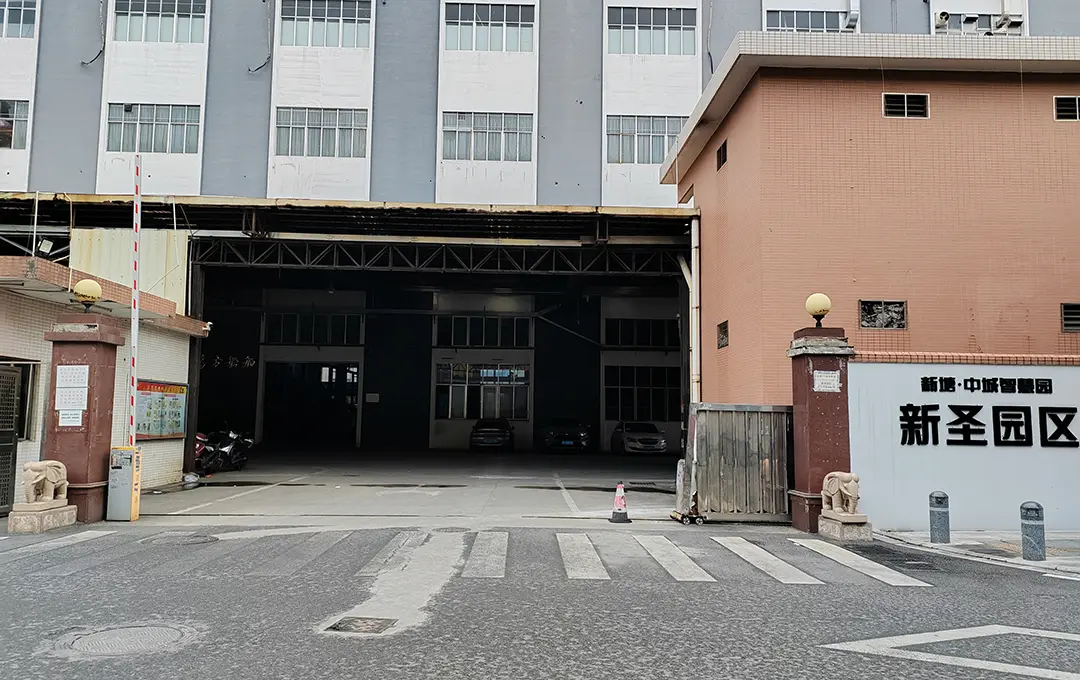
Founded in 2010 and based in Guangzhou, China, Guangzhou Xiangrui Optoelectronics Technology Co., Ltd. specializes in the research, development, production, and service of resistive and capacitive touch panels, cover glass, and module optical bonding. We offer complete custom OEM and ODM services to adapt to unique mechanical layouts and specialized system environments.
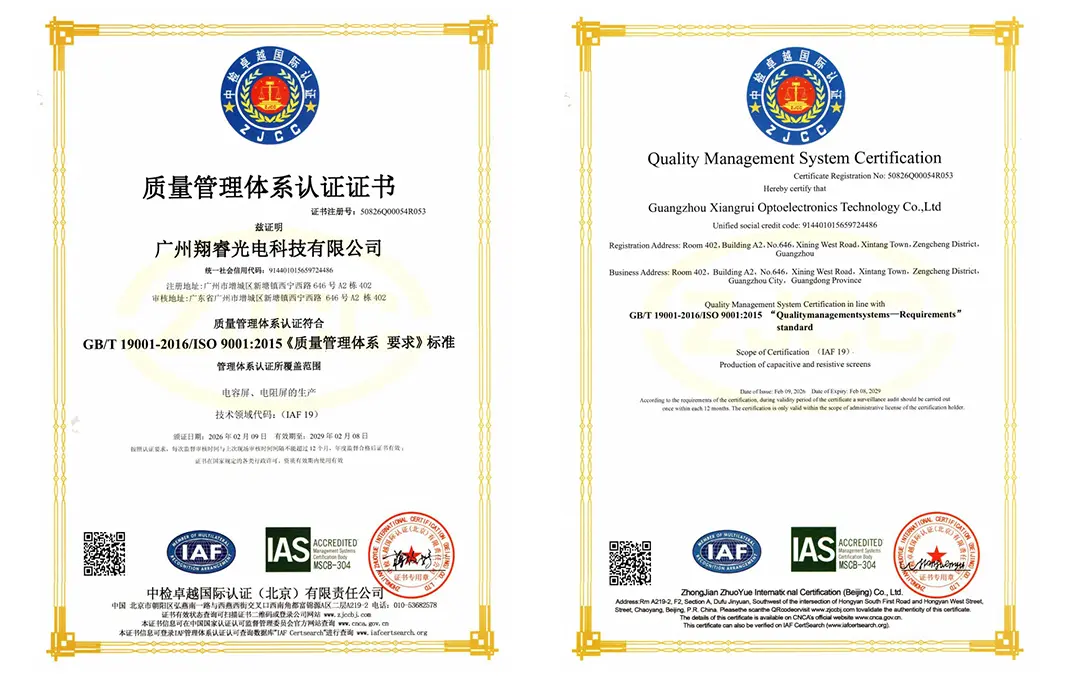
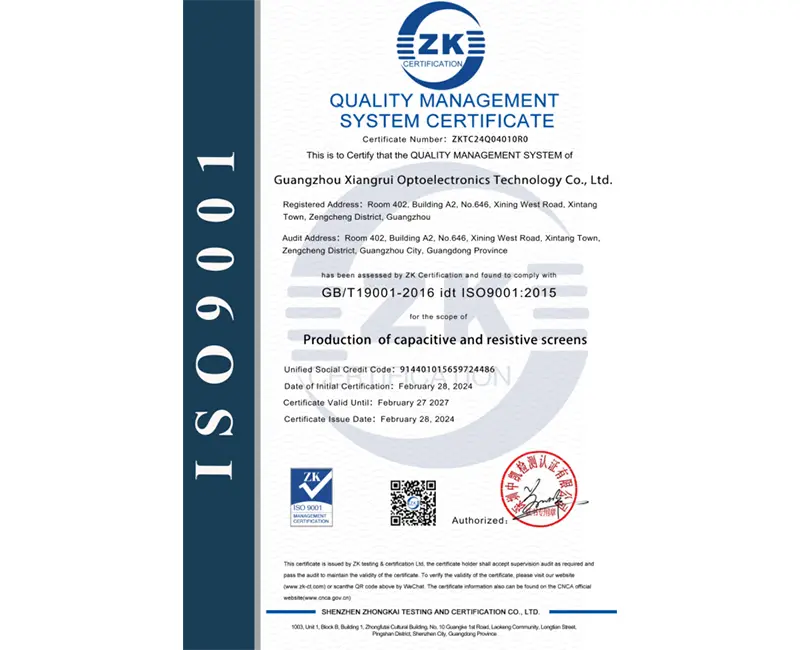
Equipped with modern Class 100, Class 1,000, and Class 10,000 dust-free workshops, we meet cleanroom conditions across the entire production cycle. Our facilities are certified under ISO 9001 and ISO 14001, ensuring high quality control and sustainable processes from raw material sourcing through to shipment testing.
Tailored physical screen shapes, cover glass thicknesses, visual enhancements (AG, AR, AF coatings), and custom controller IC tuning.
Operating Class 100 to 10,000 dust-free workshops to maintain optical purity and high yield rates for LOCA and OCA optical bonding.
We work to build long-term OEM/ODM partnerships with leading enterprises. Our workflows are designed for reliability, standard compliance, and timely delivery. By holding ISO 9001 and ISO 14001 qualifications, we keep production processes systematic to maintain high-quality materials and consistent finishes.
Led by our dedicated R&D division, we regularly secure utility model patents, leading to our recognition as a High-Tech Enterprise in Guangdong Province. From consumer-facing systems to heavy duty industrial automation, we analyze and deliver displays that meet exact target parameters.
Standardized operations ensure that all products trace back to certified raw materials and audited suppliers.
Proprietary research and utility model patents ensure cutting-edge solutions in cover glass customization and module bonding.
A closer look at key factors that define display longevity, performance in extreme environments, and mechanical durability.
Choosing the correct sensor technology is key for reliable operation under varied physical conditions.
Optical lamination controls internal reflections, improves structural rigidity, and prevents moisture condensation.
Custom cover glass modifications shield panels from direct impacts and harsh lighting.
The display industry continues to evolve towards integrated components. We expect a wider adoption of Chip-on-Glass (COG) controller designs and high-reliability flexible circuit routing. Additionally, industrial systems increasingly request multi-point touch under thick glass panels (up to 10mm) to protect modules from heavy impacts and vandalism. Anti-UV coatings are also becoming a standard requirement for outdoor machines to prevent yellowing and panel degradation.
Additionally, the transition to integrated smart systems has increased the demand for embedded touch interfaces that communicate over simple protocols (I2C, USB, RS232). By utilizing noise-tolerant hardware controllers from EETI, FocalTech, and ILITEK, custom touchscreens can be calibrated to ignore water droplets, salt spray, or electrical interference while remaining responsive to gloved fingers.
Answers to common design, engineering, and manufacturing questions for hardware developers and procurement departments.
Explore our wide-temperature, industrial-grade, and optical-bonded capacitive and resistive solutions below.
 Xiangrui Optoelectronics