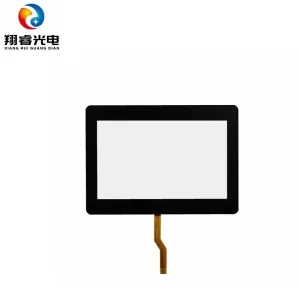
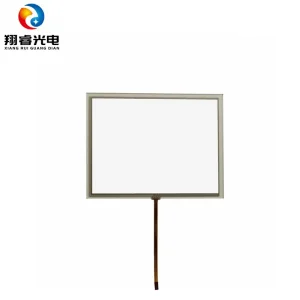
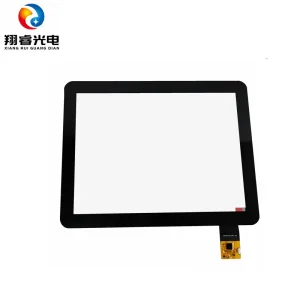
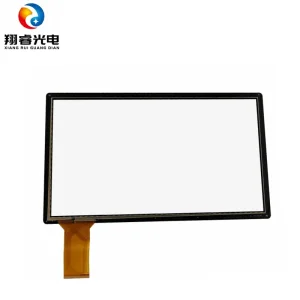
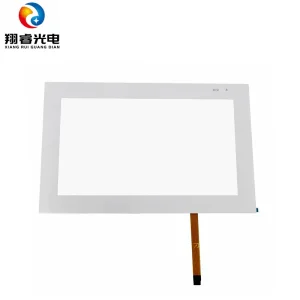
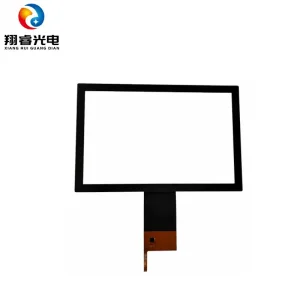
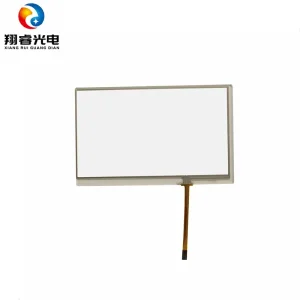
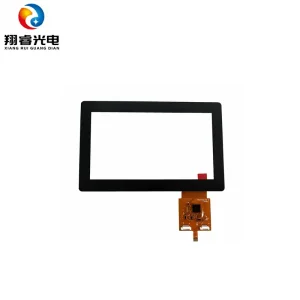
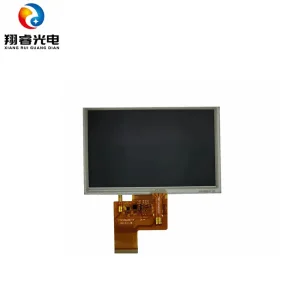
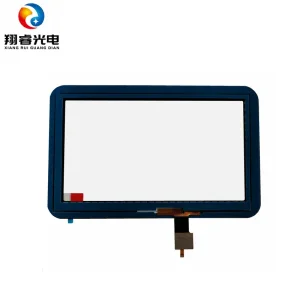
Explore our premium grade resistive and capacitive touch panel assemblies configured for diverse commercial, industrial, and medical equipment designs.
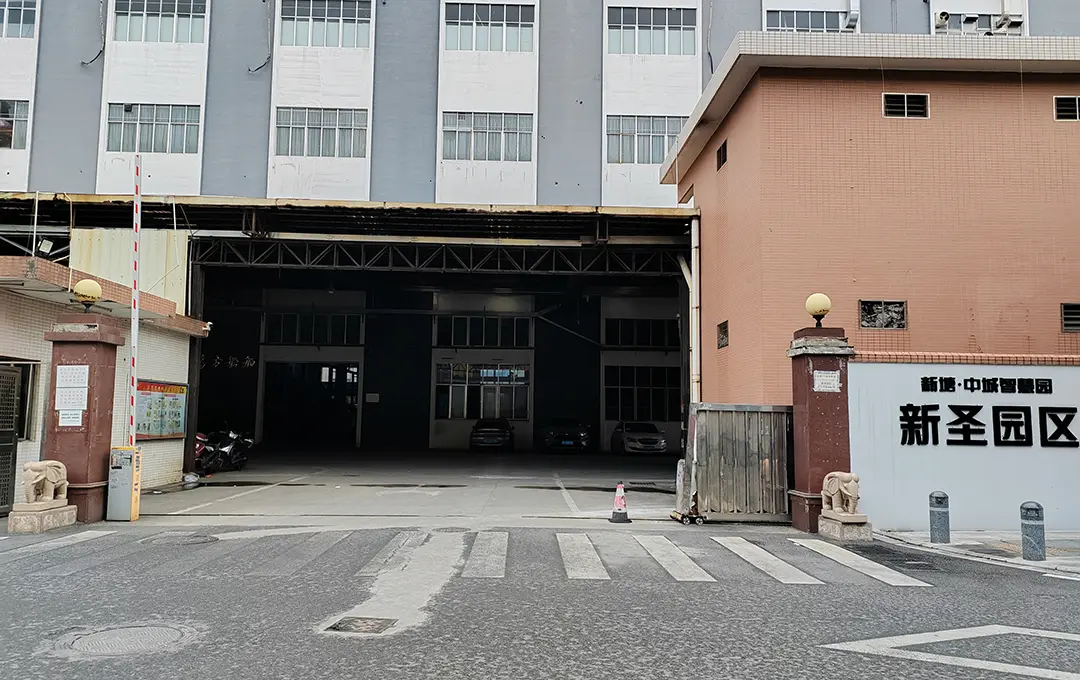
Founded in 2010 and located in Guangzhou, China, we are a high-technology enterprise dedicated to the research, development, production, sales, and comprehensive service of resistive touch panels, capacitive touch panels, cover glass, and specialized module optical bonding products. We provide customized production of various touch screens, as well as robust OEM and ODM services.
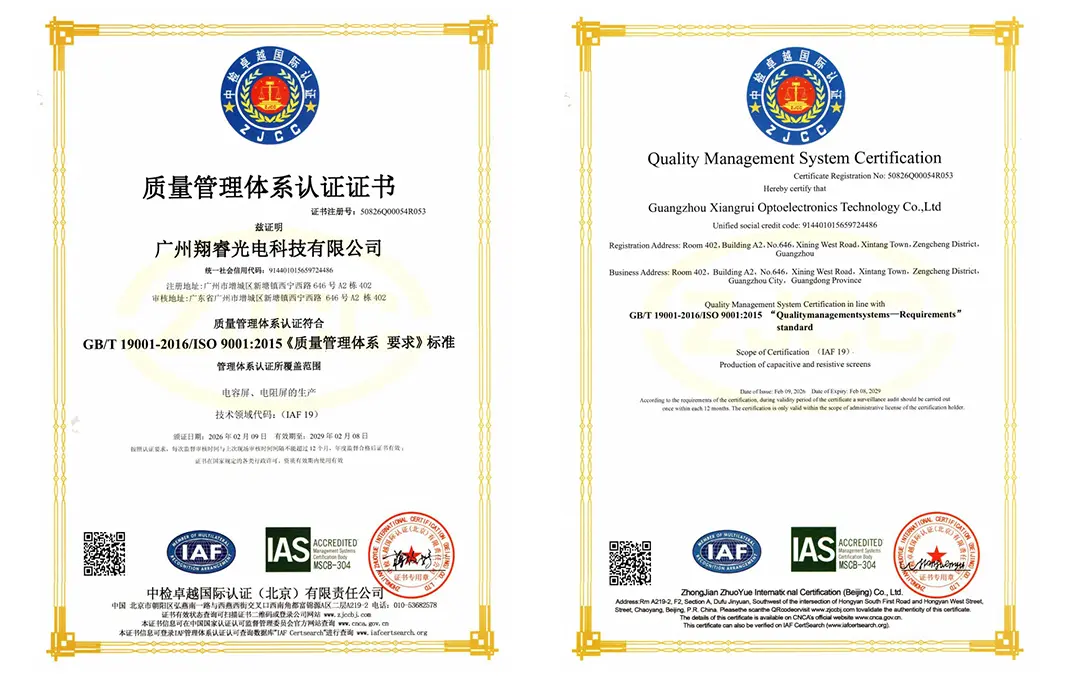
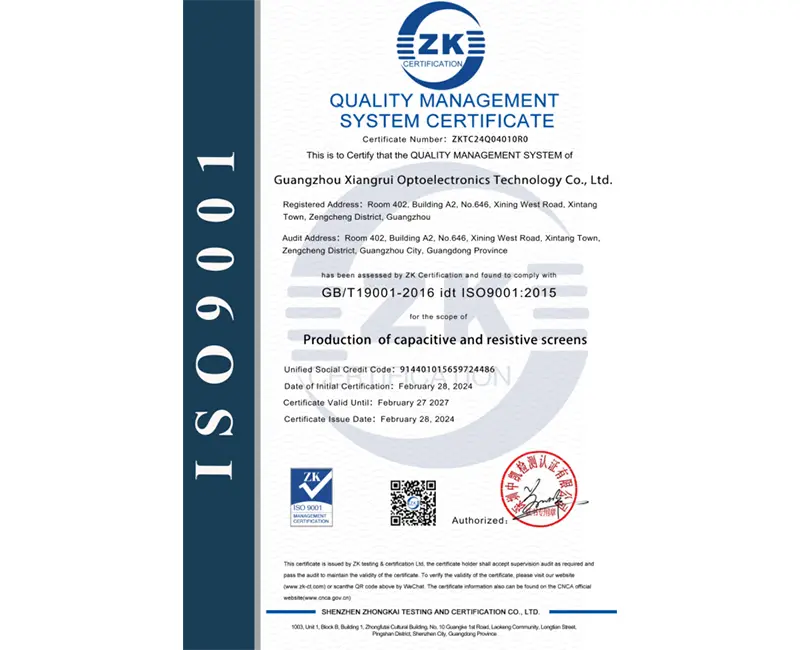
With standard certifications including ISO 9001 and ISO 14001, our touch display assemblies are manufactured to undergo rigorous environmental testing. Our custom products are widely integrated across high-reliability sectors such as industrial automated control, medical diagnostic equipment, smart home appliances, high-bright outdoor terminals, and palm print recognition secure payment systems.
An in-depth analysis of high-reliability small-to-medium form factors in demanding commercial and industrial scenarios.
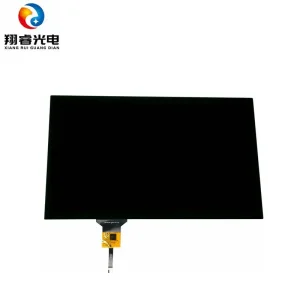
In modern electronic systems, the human-machine interface (HMI) serves as the primary touchpoint for data visualization and system control. The 6-inch touch screen has emerged as a crucial cross-industry standard, balancing the requirements of compact device footprints with high-density data display. Unlike larger consumer displays, professional-grade 6-inch screens are developed specifically to withstand challenging operational conditions, offering specialized controllers capable of filtering electromagnetic noise, managing multi-touch demands in wet environments, and functioning through thick safety gloves.
For industrial automation, the 6-inch interface acts as the localized control terminal for complex machinery, CNC devices, and robotic arm monitoring systems. By offering high pixel density and robust housing options (such as IP65 rated bezels and custom cover glass), these screens allow field engineers to monitor real-time sensor metrics without exposing sensitive internal control logic boards to ambient moisture, metal shavings, or chemical sprays.
The global demand for rugged small-to-medium touch panels is growing, driven by the expansion of the Industrial Internet of Things (IIoT) and smart medical diagnostics. Current market studies indicate a significant shift from simple segment liquid crystal displays (LCDs) to active-matrix thin-film transistor (TFT) panels integrated with custom projected capacitive (PCAP) or 5-wire resistive touch panels. North American and European regulations mandate high mechanical compliance, EMC performance, and cleanability for devices operating in sterile or public spaces, making specialized suppliers critical partners in the product life cycle.
Furthermore, manufacturing bases in Asia—particularly Guangzhou's optoelectronic cluster—have consolidated supply chains, bringing together advanced raw materials (such as high-grade ITO films, specialized controllers from EETI or Ilitek, and AGC/Corning cover glass) to deliver high yield rates and rapid custom prototyping. Guangzhou Xiangrui Optoelectronics continues to lead this market by maintaining cleanrooms ranging from Class 100 to Class 10,000, ensuring optical bonding processes remain entirely free from micro-dust and air bubbles.
Understanding the core technical differences between capacitive and resistive touch screens is crucial for engineers during the initial stages of device design:
Additionally, the application of specialized surface treatments enhances touch panel performance. At Guangzhou Xiangrui Optoelectronics, we offer Anti-Glare (AG) chemical etching to reduce reflection in high-brightness environments, Anti-Reflective (AR) thin-film coatings to optimize legibility under direct sunlight, and Anti-Fingerprint (AF) hydrophobic coatings to minimize grease buildup on high-frequency payment terminals.
We operate on the fundamental principles of a people-oriented culture, integrity, innovation, and pragmatic engineering. Relying on our dedicated R&D team, extensive production experience, and highly responsive support team, we help our clients maintain market competitiveness and achieve stable growth.
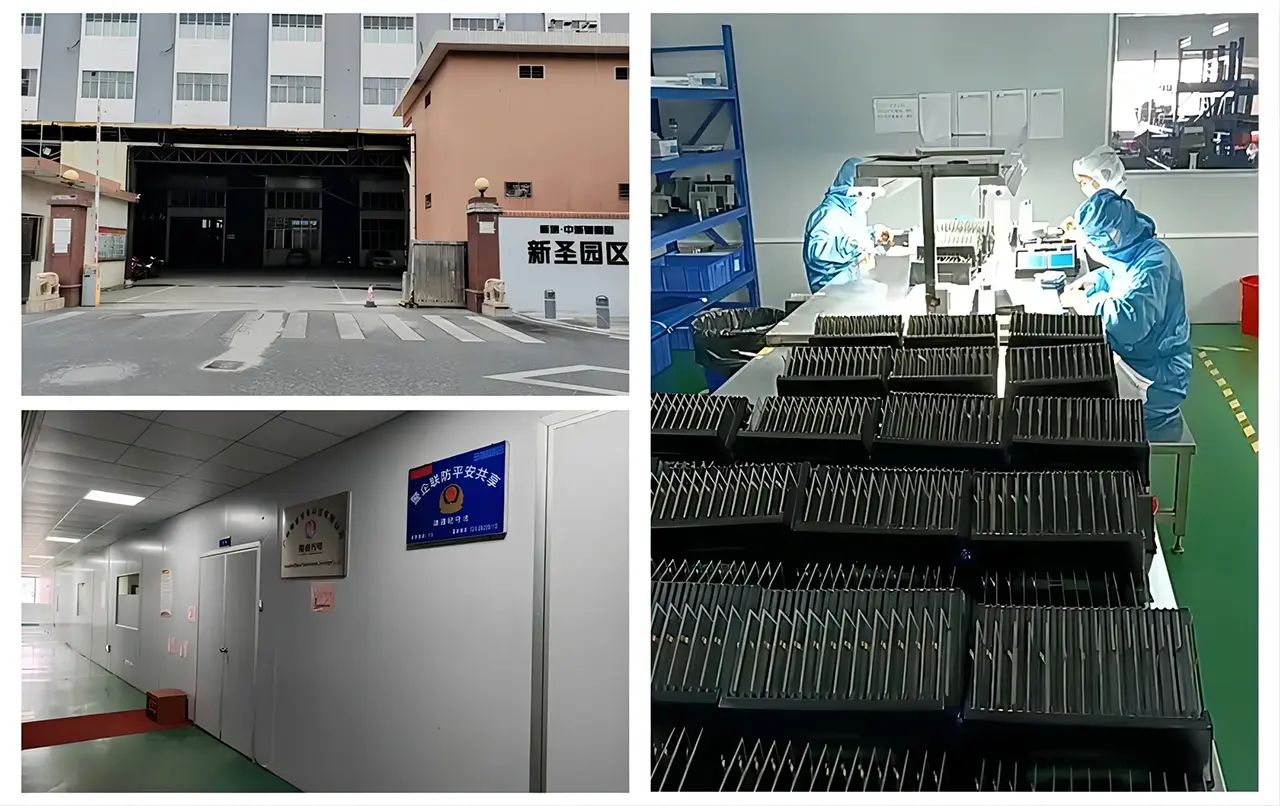
To prevent contamination of liquid optical clear adhesives (LOCA/OCR) or sheet optical clear adhesives (OCA), our optical bonding processes are performed inside specialized Class 100 cleanrooms. Here, high-efficiency particulate air (HEPA) filtration systems control airborne particulates, humidity, and temperature.
Our larger manufacturing footprint utilizes modular Class 1,000 and Class 10,000 zones for ITO glass cutting, cover glass preparation, screen printing, sensor lamination, and automated optical inspections. By matching cleanroom classifications to the requirements of each process step, we maintain high production efficiency while minimizing contaminants, delivering clean display interfaces for medical and optical applications.
How 6-inch displays are configured for demanding physical environments and localized regulatory compliance.
In hospital environments, touch surfaces must withstand continuous sterilization cycles. Our panels feature chemically strengthened cover glass that resists sanitizers, alcohols, and abrasive disinfectants. Electromagnetic compatibility (EMC) is tuned to prevent interference with critical monitoring systems, complying with EN 60601-1 standards.
Integrated payment stations and palm-print recognition terminals require clear visibility in bright sunlight and durable components for public locations. Utilizing high-efficiency optical bonding and UV-protective films, our 6-inch capacitive panels remain readable in bright conditions and resist direct sunlight degradation.
In factories, touchscreens must run reliably next to high-voltage equipment. Our 5-wire resistive and noise-isolated capacitive controllers prevent false touch triggers caused by electrical noise, water droplets, or grease, maintaining production line operations.
Innovative trends shaping the next generation of touch screen technology and high-performance optoelectronic integration.
The absence of physical tactile feedback remains a common challenge with flat touch screens in critical controls. To address this, our future product development incorporates localized haptic modules. Using small actuators behind the cover glass, our screens generate localized vibrations when keys are pressed, giving operators confirmation of their input without needing to look away from their work.
Securing access control on modern HMI terminals is a growing requirement. We are developing solutions that integrate biometric scanners directly into the touch panel stack. By embedding thin optical sensor arrays between the cover glass and the polarizer, next-generation 6-inch screens can recognize users' fingerprints anywhere on the screen, streamlining authentication for secure medical logs and terminal operations.
Energy efficiency guidelines and safety requirements demand screens with high display visibility that use minimal backlight power. Our R&D efforts focus on thin-film anti-reflective (AR) technologies that target specific wavelengths to minimize internal light loss. In addition, we are adopting chrome-free etching and halogen-free assembly techniques to help our clients meet strict international environmental initiatives.
Technical guidance and design recommendations for engineers integrating touch screen displays.
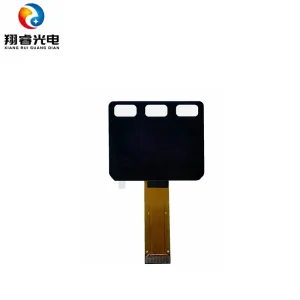
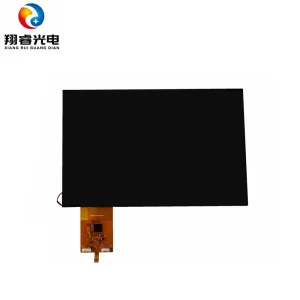
Browse our complete range of resistive and capacitive options built to operate under demanding conditions.
 Xiangrui Optoelectronics