Select from our standard or fully customizable touch architectures optimized for rugged environment reliability.
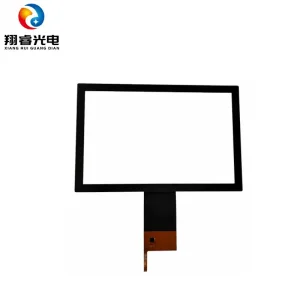
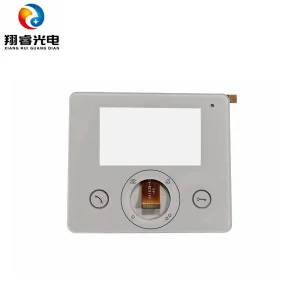
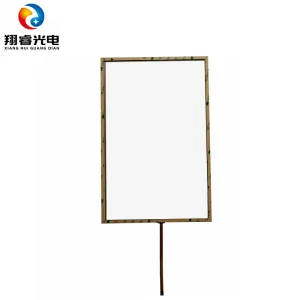
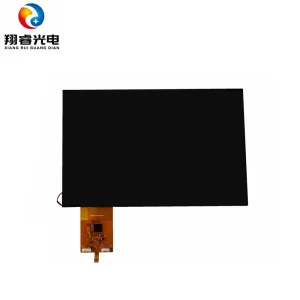
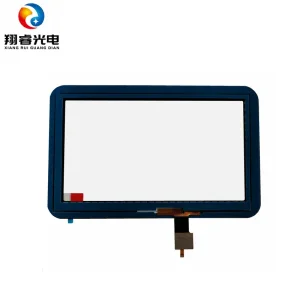
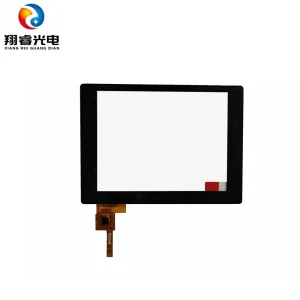
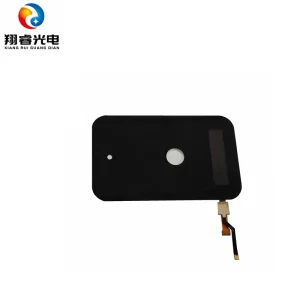
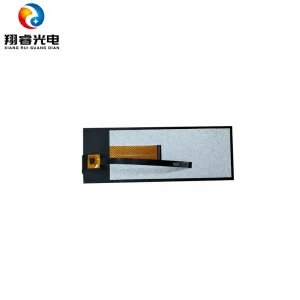
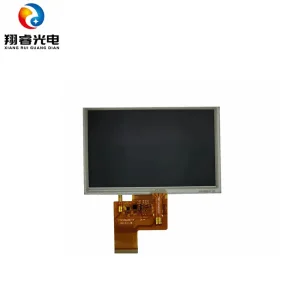
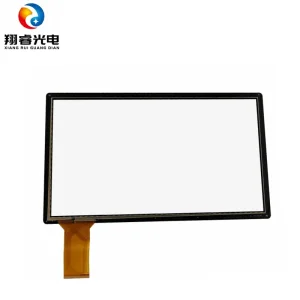
Modern Human-Machine Interfaces (HMIs) represent more than visual panels; they are the core interface of mission-critical control loops in modern automated landscapes. Guangzhou Xiangrui Optoelectronics Technology Co., Ltd. stands at the nexus of this revolution. Established in 2010, we have spent more than a decade designing and manufacturing high-performance interactive display solutions, including multi-touch projected capacitive (PCAP) panels, robust analog resistive screen assemblies, specialized glass cover plates, and fully integrated optically bonded display modules.
Today’s global procurement standards demand more than basic functionality. Engineers require displays that maintain absolute touch accuracy under intense electromagnetic interference (EMI), operate continuously in wide thermal windows (-30°C to +85°C), and withstand moisture, dirt, and chemical exposure (IP65 up to IP69K standards). As a trusted high-tech enterprise certified under ISO 9001 and ISO 14001, we deliver standard and customized touch architectures that satisfy these stringent specifications, enabling high-performance integration for industrial, medical, smart-home, and public kiosk applications.
How our dust-free facility and testing processes translate into field reliability.
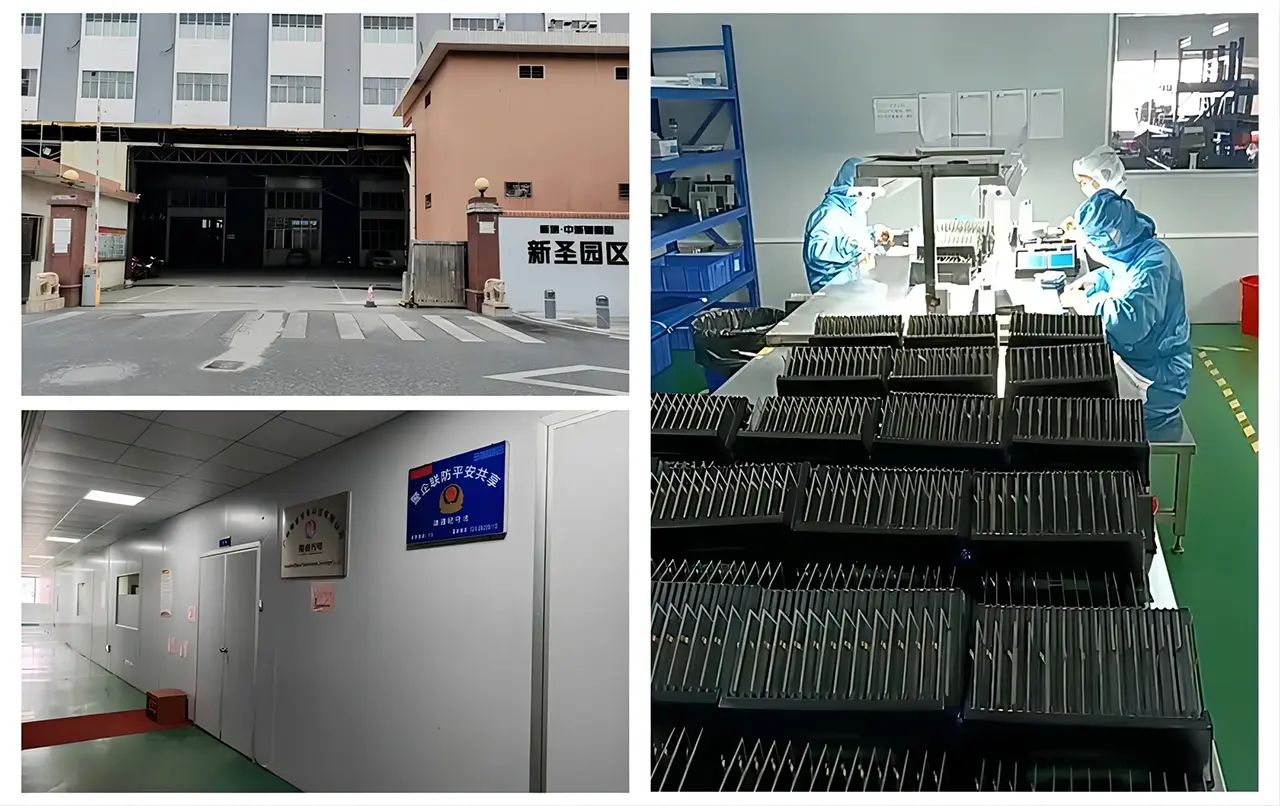
The integrity of an interactive display panel depends heavily on its manufacturing environment. Guangzhou Xiangrui operates a 3,000-square-meter facility structured with strict environment zoning. To support demanding high-yield and optically pristine display assemblies, we run Class 100, Class 1,000, and Class 10,000 cleanrooms. This prevents microscopic dust particles from settling between the touch panel, cover glass, and liquid crystal display (LCD) during critical bonding procedures.
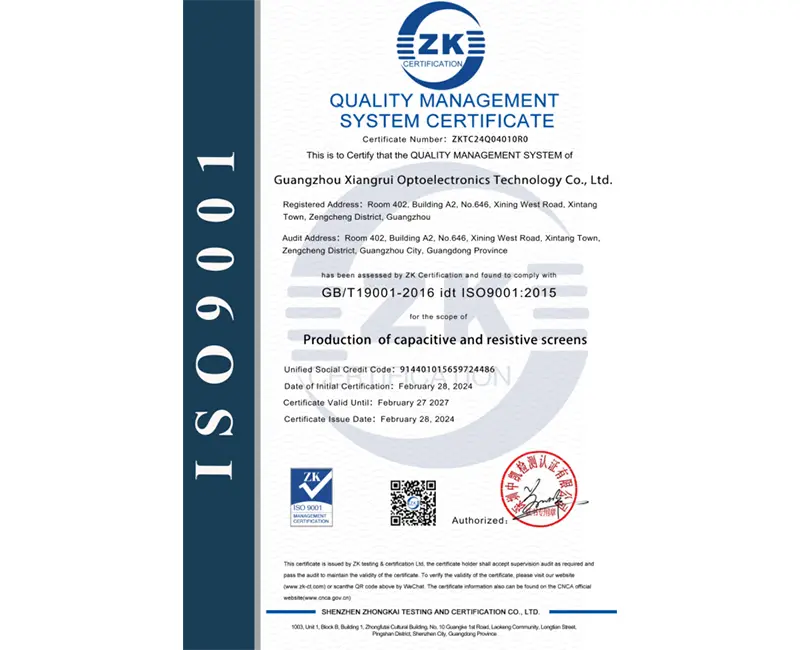
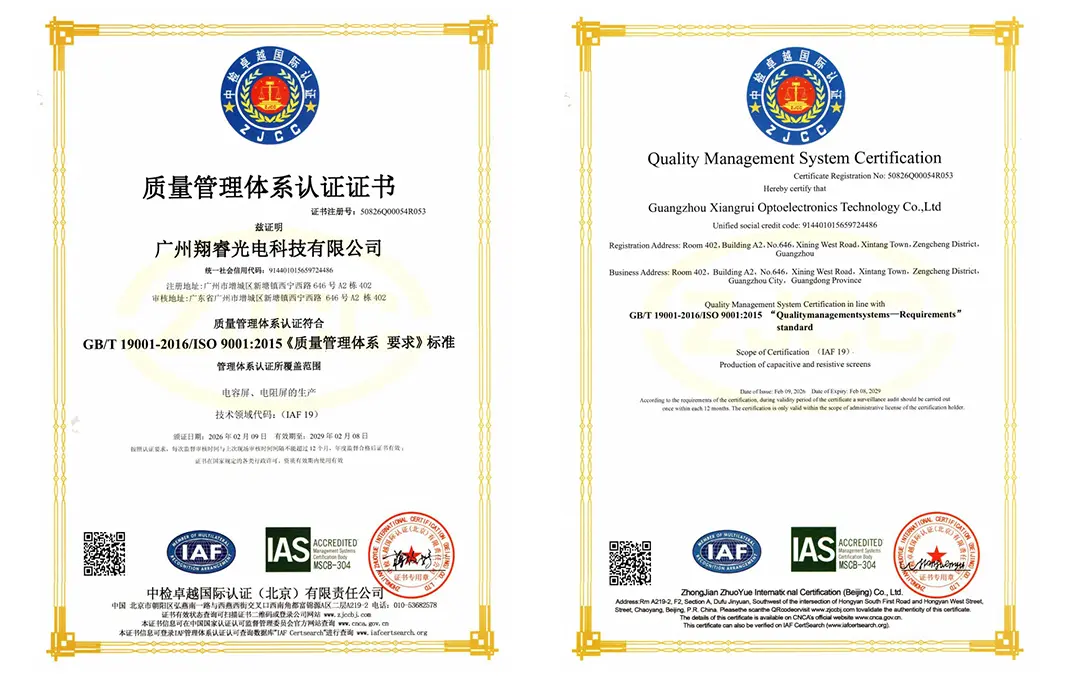
Our dedicated divisions—including R&D, quality assurance, production engineering, and logistics—work in tandem to manage standard workflows. Having passed the ISO 9001:2015 quality management system and the ISO 14001:2015 environmental system certifications, we guarantee that all raw material sourcing, production lines, and final QA phases match strict quality limits. By keeping operations clean and tightly regulated, we achieve excellent optical performance and long-term durability in our touch screen assemblies.
We collaborate closely with product design teams, procurement managers, and systems integrators to supply custom touch solutions that reduce field failures and extend equipment lifecycles.
Our core corporate vision centers on technical innovation, customer-first service, and quality verification. By continuing to invest in touch screen technology, we make sure our customers stay competitive in their respective markets.
Our touchscreen solutions are built to satisfy the distinct design criteria of various high-demand applications.
Industrial settings challenge display electronics with vibration, fluctuating temperatures, dust, and electrical noise. Our heavy-duty PCAP and resistive touch panels feature wide-temperature engineering and IP65-sealed bezels. These characteristics allow them to operate reliably near CNC machinery, assembly lines, and factory floor monitoring systems.
Medical touch screens require hygiene, optical clarity, and precise input registration. They must work reliably even when operated by operators wearing latex or nitrile gloves. We use specialized cover glass and advanced controller IC tuning to support multi-finger glove usage, wipe-down cleaning, and disinfectant chemical resistance.
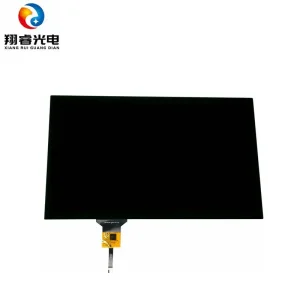
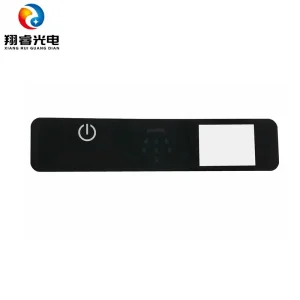
Modern home applications demand modern, seamless integration. Our sleek capacitive panels offer multi-touch capabilities, high optical clarity, and customized cover designs with printed logos. This fits the design requirements of home automation controllers, smart refrigerators, and kitchen control panels.
Outdoor kiosks must withstand sunlight glare, rain, dust, and potential vandalism. Guangzhou Xiangrui addresses this by combining high-impact IK10 cover glass with anti-glare (AG) and anti-reflective (AR) treatments. We also apply full optical bonding to eliminate internal condensation and maintain readability in bright sun.
As biometric verification gains popularity, security terminals demand high-resolution glass windows. We supply cover plates and customized touch solutions optimized for palm print recognition, point-of-sale (POS) systems, and secure entry access controls.
Vehicle mounts, shipping monitors, and transit interfaces experience ongoing vibrations and temperature swings. Our rugged touch screens resist micro-fractures, handle fluctuating inputs, and maintain reliable touch tracking under wide-temperature conditions.
Innovating tomorrow's interactive technologies for rugged and complex HMIs.
The interactive display panel sector continues to evolve quickly. Standard touch functionality is shifting toward smart, multi-layered interfaces that combine display outputs with advanced environmental adaptability. Guangzhou Xiangrui’s engineering teams focus on key development areas to support upcoming hardware requirements:
We are optimizing capacitive sensor IC logic to allow multi-touch tracking through thick industrial gloves (up to 5mm) and heavy protective glass overlays without losing accuracy.
Our upcoming controller updates feature water suppression algorithms that differentiate between standing liquid drops (like rain) and actual touch contact, avoiding accidental input issues.
We are applying advanced chemical vapor deposition (CVD) coatings to deliver combined Anti-Reflective (AR), Anti-Fingerprint (AF), and Anti-Microbial protection on a single glass surface.
We are researching thinner sensor films and flexible cover glass materials to assist developers in integrating curved, non-planar touch displays into industrial control desks and vehicle consoles.
Answers to common design and sourcing questions from our engineering support team.
Air bonding secures the touch panel only by its outer edges, leaving an air gap between the display panel and the sensor glass. Optical bonding (using OCA or LOCA gel) fills this gap entirely. This layer eliminates internal reflections, boosting daylight readability. It also increases structural rigidity, improves heat dissipation, and prevents moisture or dust from building up between the panels in humid environments.
We solve EMI challenges through hardware shielding and controller configuration. We implement specialized shielding layers (like ITO film grids) and tune controller ICs (such as EETI, Ilitek, or FocalTech) to filter out high-frequency noise from motors, variable frequency drives, and surrounding power lines.
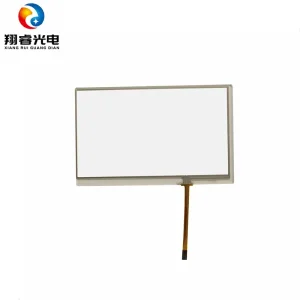
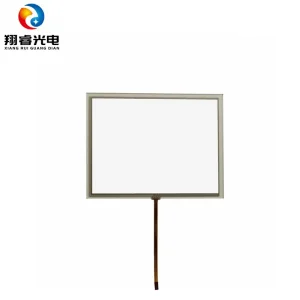
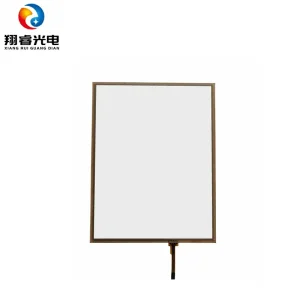
Resistive panels rely on physical pressure to register input, making them compatible with any glove material, stylus, or tool. They are highly reliable in high-voltage environments where capacitive screens could suffer from electromagnetic interference. However, they lack multi-touch support and have lower light transmission than capacitive designs. Capacitive panels (PCAP) are ideal for multi-touch, high-clarity interfaces, and vandal-resistant applications.
We provide multiple chemical and physical surface treatments: Anti-Glare (AG) etching to disperse reflections, Anti-Reflective (AR) optical coatings to increase light transmission, and Anti-Fingerprint (AF/hydrophobic) treatments to minimize skin oil buildup. We can also chemically temper the glass (up to 10mm thickness) to achieve high impact protection (IK8 to IK10 ratings).
Yes. Industrial customers often need component availability for 5 to 7 years. We structure our material sourcing and production plans to guarantee long-term availability for our core industrial items, helping clients avoid frequent, costly redesign processes.
Our design team works directly from your 2D/3D drawings or step files. Once specifications (dimensions, cover thickness, FPC pinout, and controller chips) are locked, we create prototypes in our Class 100/1000 cleanrooms. We run test cycles before shipping the samples to your development team for evaluation.
High-durability hardware built to keep your operations running continuously.
 Xiangrui Optoelectronics