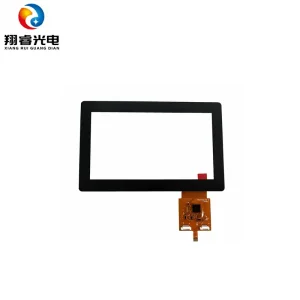
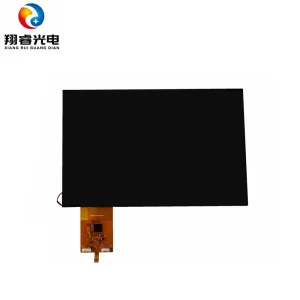
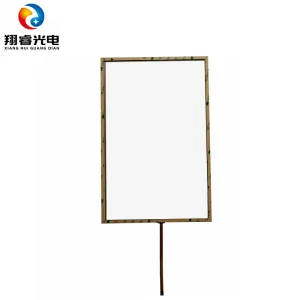
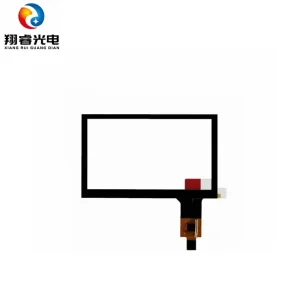
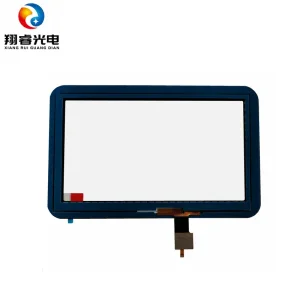
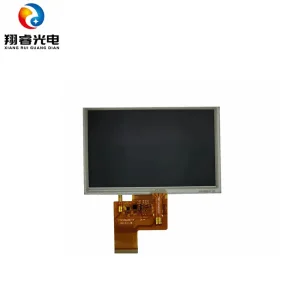
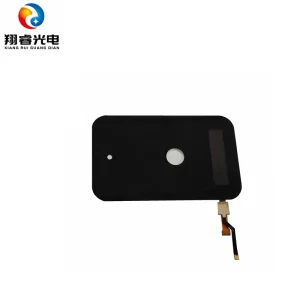
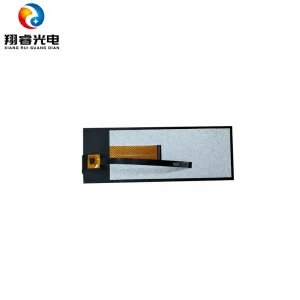
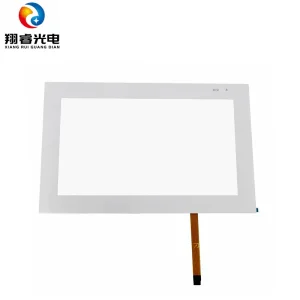
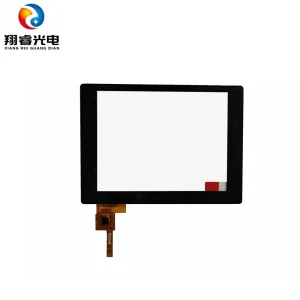
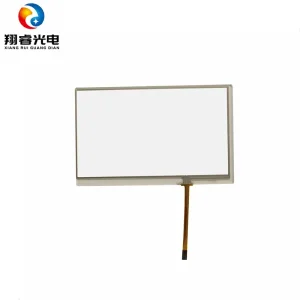
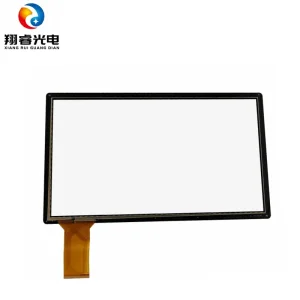
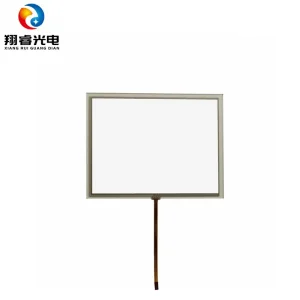
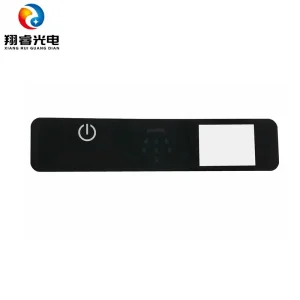
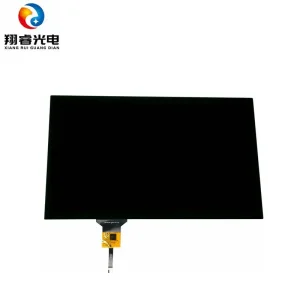
Explore our advanced capacitive and resistive touch panel configurations engineered with high-transmissivity optical bonding.
In high-performance display design, the gap between the cover glass (or touch sensor) and the underlying LCD panel is a primary vector for optical degradation. Standard displays utilize "air bonding" (frame fitting), leaving a thin air pocket. This pocket creates two additional reflective boundaries due to the mismatched refractive indices of air (n = 1.0) and glass (n ≈ 1.5).
Optical bonding replaces this air gap with an Optically Clear Adhesive (OCA) or Liquid Optically Clear Adhesive (LOCA) that closely matches the refractive index of glass. By eliminating the air-to-glass interface, internal reflections are reduced by up to 99%, dramatically improving ambient light contrast ratio and readability under direct sunlight.
Furthermore, optical bonding prevents condensation, dust ingress, and moisture accumulation behind the cover glass, making it indispensable for rugged outdoor, medical, and industrial Human-Machine Interfaces (HMIs).
Choosing the correct integration methodology based on dimensional constraints, thermal limits, and application parameters.
| Evaluation Parameter | Optically Clear Adhesive (OCA) - Dry Film | Liquid Optically Clear Adhesive (LOCA) - Wet Resin |
|---|---|---|
| Physical Form | Solid double-sided dry adhesive film sheet | Liquid state photocurable polymer resin |
| Surface Profiling | Ideal for flat displays; struggles with high cover-glass steps | Excellent flowability; fills uneven or curved surfaces |
| Refractive Index Matching | Stable at ~1.49 - 1.51 | Tunable during formulation from 1.48 to 1.54 |
| Lamination Tooling | Rotary or vacuum flatbed press | Precision slot-die or needle dispensing under vacuum |
| Reworkability | Challenging; high risk of sensor damage during stripping | High reworkability before UV-curing cycle |
| Vibration & Impact Resistance | Standard dampening capabilities | Superior hydraulic cushion impact absorption |
Different materials expand at varying rates. Our formulations maintain elasticity across wide temperature bounds (-40°C to +85°C) to prevent delamination under extreme thermal cycling.
Unequal mechanical stress on the liquid crystal matrix produces "Mura" color distortion. We use soft-curing resins with minimal volumetric shrinkage to isolate and protect the LCD display cell.
UV radiation degrades polymer bonds, leading to yellowing. Our proprietary optical adhesives utilize UV-inhibiting chemistry to ensure stability in direct sunlight outdoor displays.
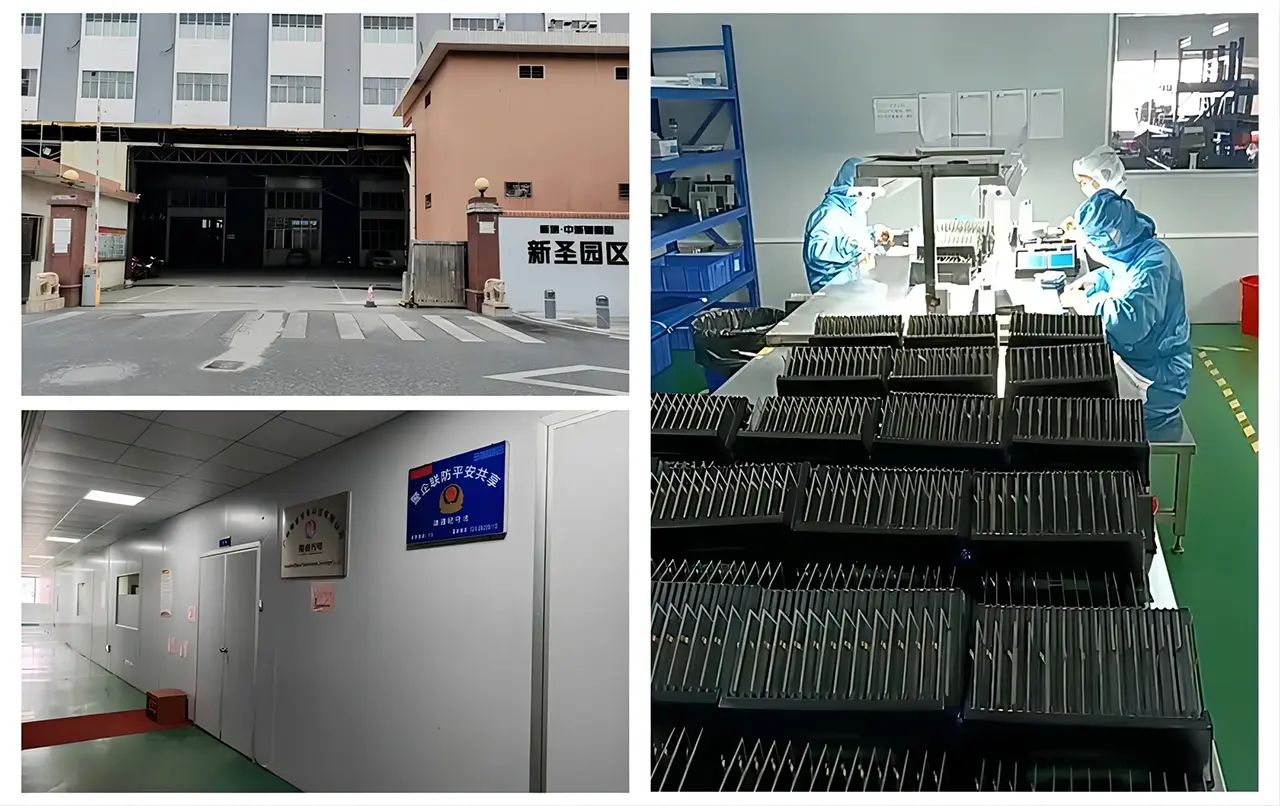
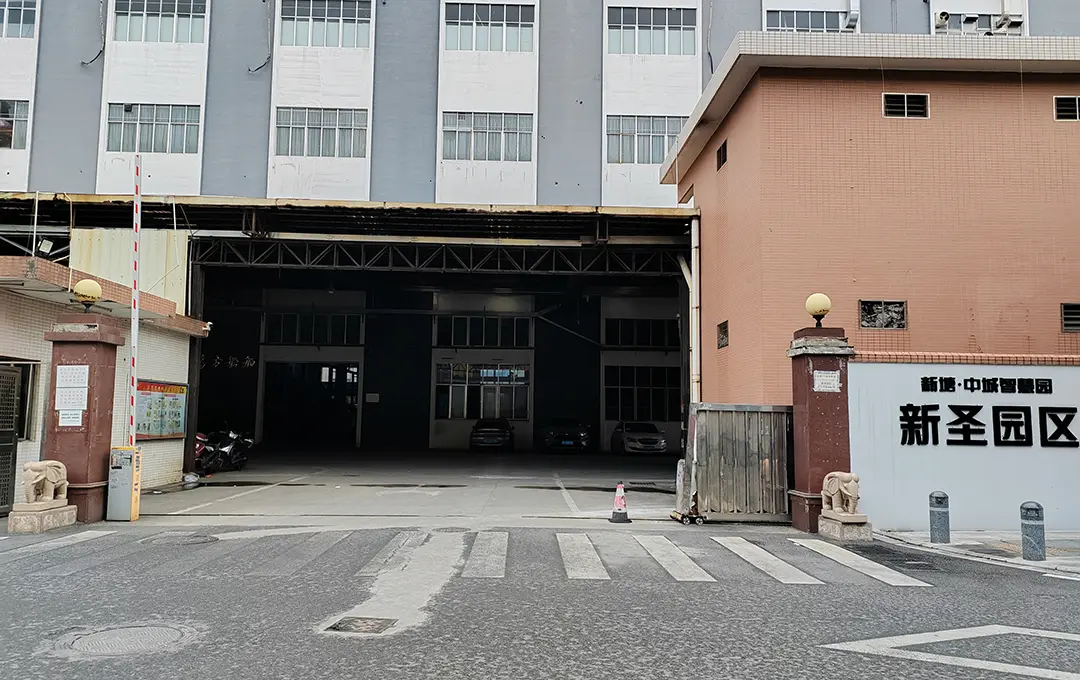
Founded in 2010 in Guangzhou, China, Guangzhou Xiangrui Optoelectronics Technology Co., Ltd. is a leading R&D pioneer and high-volume manufacturer specializing in resistive and capacitive touch panel assemblies, cover glass fabrication, and full-module optical bonding solutions.
Spanning an industrial footprint of 3,000 square meters for dedicated cleanroom processes within a 10,000 square meter factory layout, we maintain tightly controlled dust-free facilities operating under Class 100, Class 1,000, and Class 10,000 clean air regulations. This ensures an optimal manufacturing yield and prevents micro-particle contamination during the critical glass lamination and liquid resin curing cycles.
Equipped with state-of-the-art automated optical inspection (AOI) stations, vacuum laminators, and high-pressure autoclaves, Xiangrui supports diverse customized OEM/ODM projects tailored to meet high-reliability demands in hostile environments.
A proven track record of engineering innovation, capacity, and global delivery capabilities.
Guangzhou's optoelectronics cluster provides unparalleled integration flexibility. By maintaining upstream raw material channels—ranging from high-ion-exchange chemically strengthened cover glass to specialized OCA films—we control costs, minimize lead times, and optimize compatibility.
Our raw material sourcing aligns with the requirements of major brands, utilizing premium AGC, Corning Gorilla, and Schott glass. This allows us to apply custom physical configurations, including Anti-Glare (AG), Anti-Reflective (AR), and Anti-Fingerprint (AF) coatings, prior to the optical lamination phase.
For global procurement departments, this integrated vertical model simplifies complex bill-of-materials (BOM) management. Instead of coordinating with separate glass processors, sensor producers, and lamination houses, our customers receive a single, warrantied, and fully tested assembly.
Delivering high-reliability touch performance across extreme outdoor, clinical, and heavy-industry settings.
Modern clinical environments require displays that withstand aggressive cleaning chemicals like IPA and bleach. Our optical bonding configurations prevent moisture ingress and support gloved hand operation, complying with IEC 60601-1 standards.
Operating near heavy machinery exposes panels to constant vibrational fatigue. Liquid Optically Clear Adhesive (LOCA) acts as an integrated mechanical damper, absorbing high-frequency shocks and protecting critical electrical connections.
Sunlight readability is essential. With index-matching lamination, displays retain clear contrast even under strong ambient light. In marine electronics, it prevents thermal expansion stress and fogging caused by rapid temperature shifts.
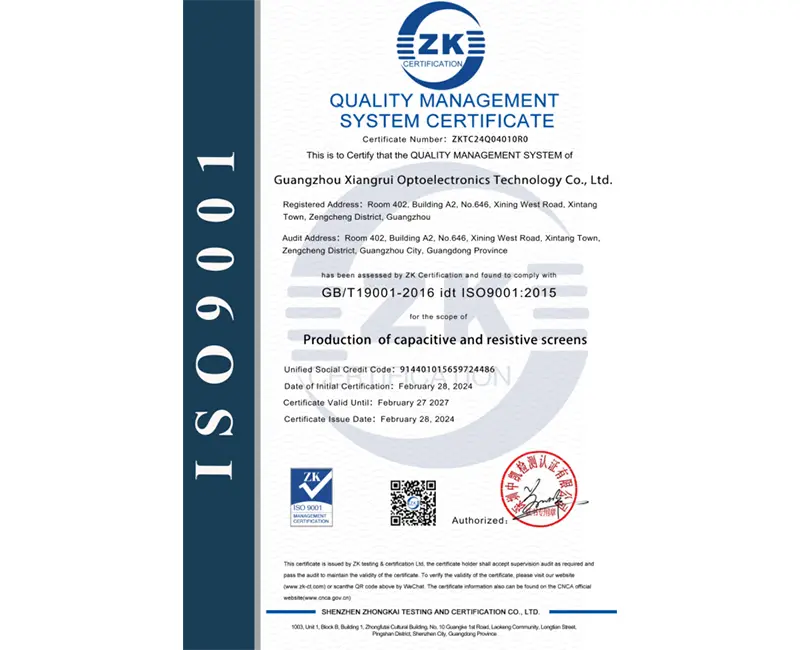
Guangzhou Xiangrui Optoelectronics operates under a certified ISO 9001:2015 Quality Management System and an ISO 14001:2015 Environmental Management System. Our manufacturing processes ensure that all materials—from external cover sheets to internal bonding gels—comply with EU RoHS and REACH environmental standards.
Our quality assurance workflow spans three key phases:
Recognized as a High-Tech Enterprise in Guangdong Province, we continue to invest in advanced testing tools to ensure reliable display integration for global OEMs.
Detailed technical, mechanical, and logistical insights for engineering and purchasing specialists.
Explore our wide-temperature resistive and capacitive assemblies featuring integrated optical bonding and IP65-rated surface protection.
 Xiangrui Optoelectronics