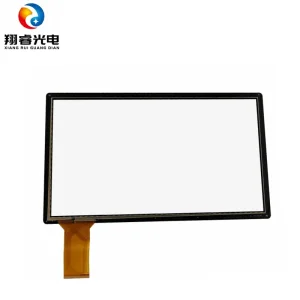
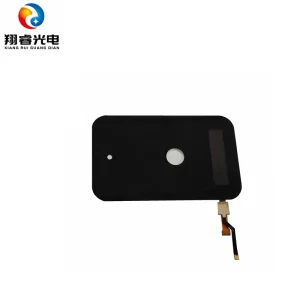
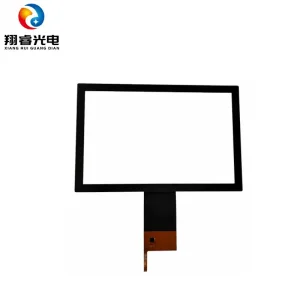
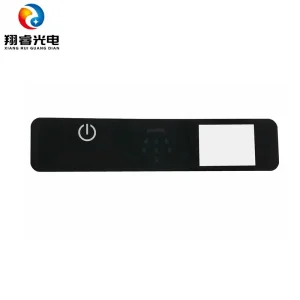
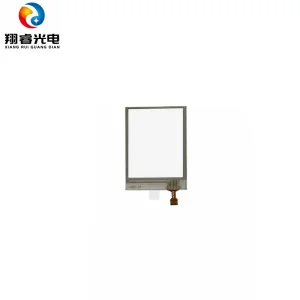
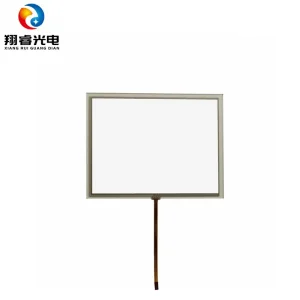
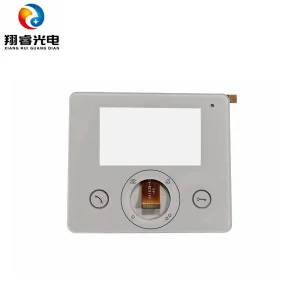
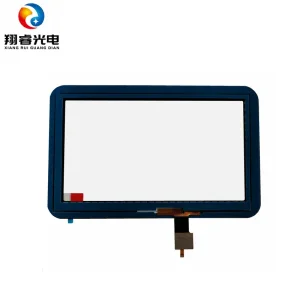
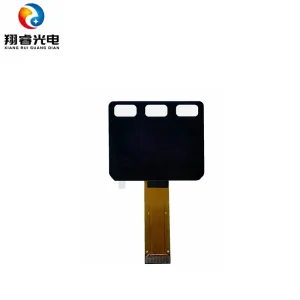
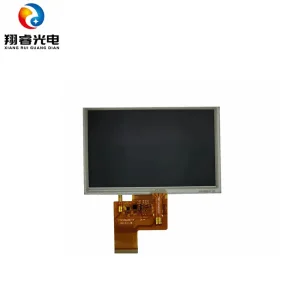
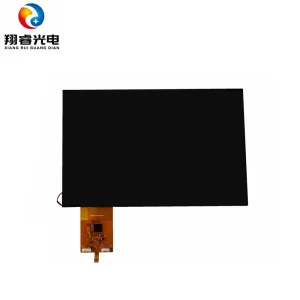
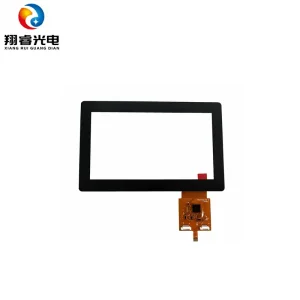
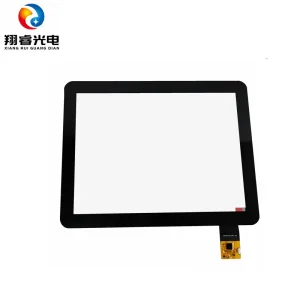
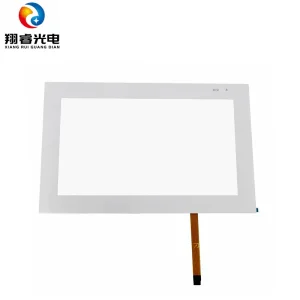
High-precision capacitive panels, optical bonding components, and resistive interfaces engineered to survive extreme operations.
Industrial engineering has crossed the threshold where conventional mechanical toggles no longer suffice. Today's commercial, medical, and aerospace systems demand seamless, zero-wear operation. Touch push button switch technology replaces failure-prone mechanical actuators with solid-state, capacitive-sensing components that resist moisture ingress, chemical degradation, and physical wear.
By integrating touch-based interfaces with advanced optical-bonding structures, engineers ensure that high-resolution graphical panels double as ultra-reliable input mechanisms. As a leading manufacturer, we combine material science, signal-conditioning algorithms, and ruggedized packaging to construct user interfaces that respond instantaneously under the most severe operating conditions.
Mechanical switches contain physical leaf springs, metallic contacts, and actuator seals that experience material fatigue. Our touch button alternatives eliminate mechanical moving parts entirely, providing practically infinite cycle lifetimes and robust sealing up to IP69K.
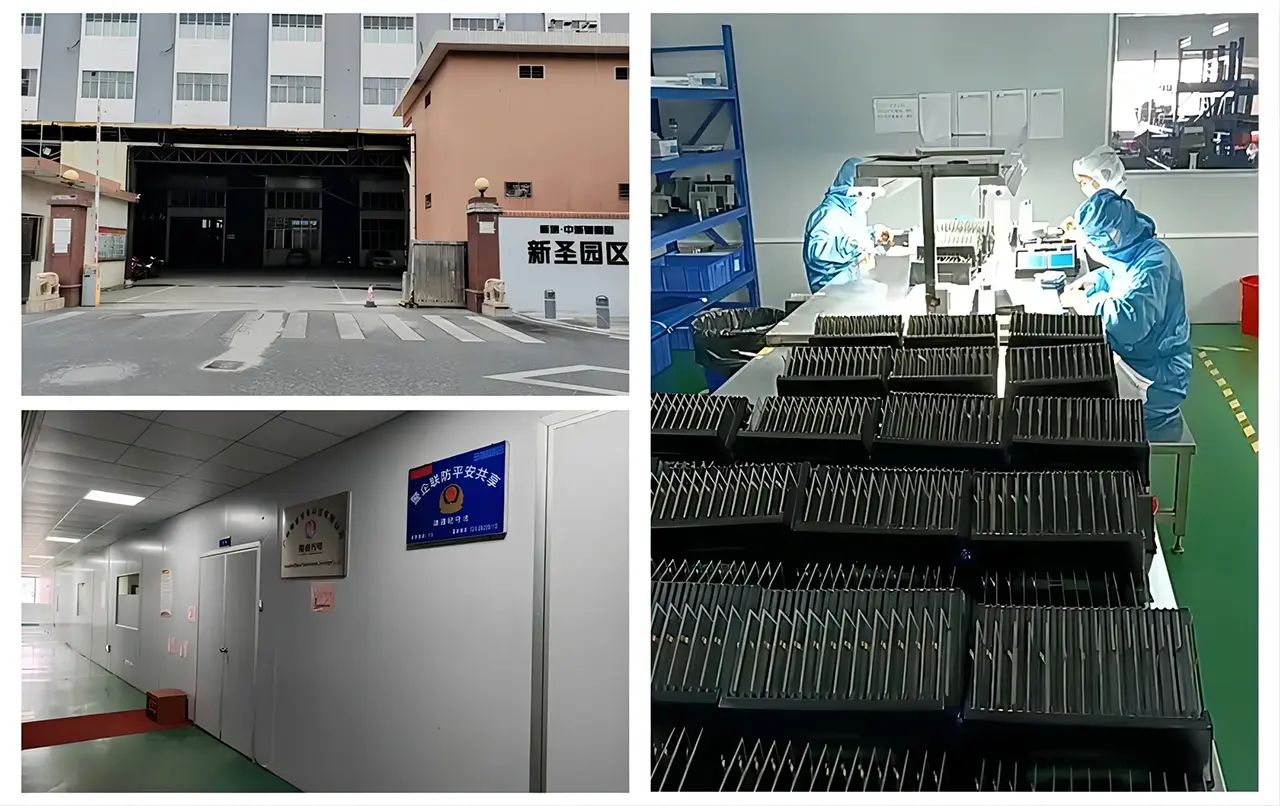
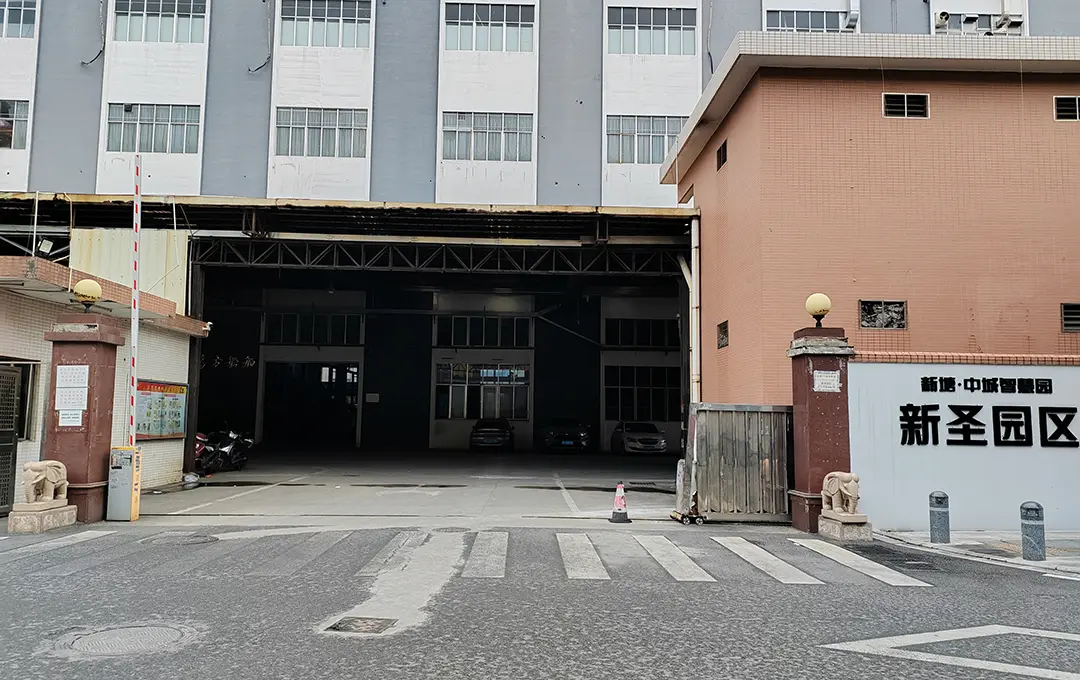
Founded in 2010 in Guangzhou, China, Guangzhou Xiangrui Optoelectronics Technology Co., Ltd. has established itself as an authoritative global force in the research, development, production, and custom fabrication of capacitive and resistive touch panels. Spanning a specialized 3000-square-meter facility (situated within a larger 10,000-square-meter manufacturing area), we control every step of the supply chain, ensuring premium quality.
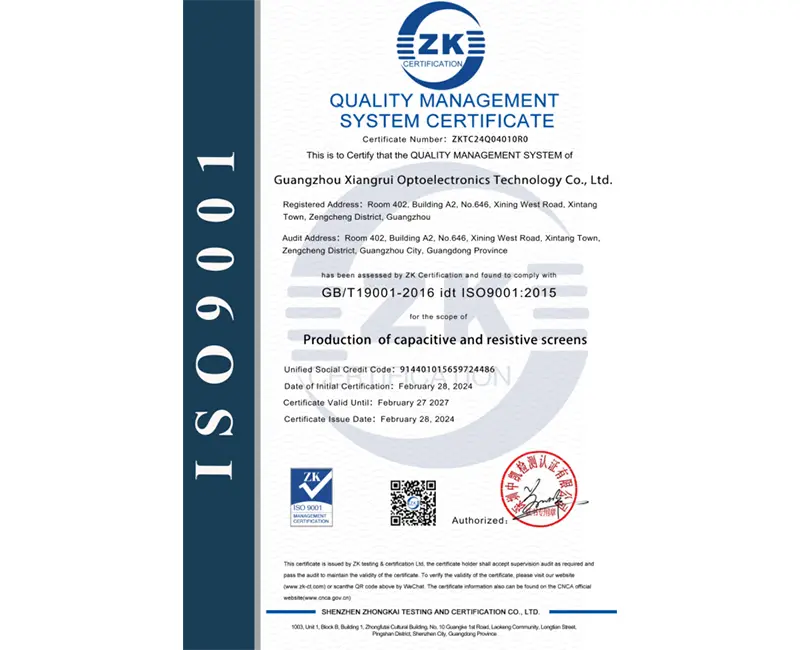
Our core mission revolves around technological integration. We specialize in producing bespoke capacitive touch buttons, wide-temperature resistive panels, premium cover glass treatments, and complex liquid optical bonding solutions. Backed by ISO 9001 and ISO 14001 certifications, we serve tier-one industrial players globally.
Engineers must weigh physical layout, electrical noise immunity, and environmental conditions when choosing between Projective Capacitive (PCAP) touch switches and Resistive touch arrays.
PCAP systems rely on an Indium Tin Oxide (ITO) sensor grid deposited onto glass layers. When a conductive object (like a finger) approaches the surface, it alters the localized mutual or self-capacitance. Our controllers filter high-frequency noise and ignore stray capacitance from moisture, allowing operation even with heavy leather gloves.
Resistive screens rely on two thin, conductive, flexible layers separated by tiny spacer dots. When pressure is applied, the layers touch, creating a voltage drop corresponding to the X-Y coordinate. Ideal for harsh zones where EMI is extremely high, and input relies on physical pressure from non-conductive tools.
To prevent moisture build-up and minimize optical refraction, we offer full liquid optical bonding (LOCA) services. This eliminates the air gap between the touch sensor and the LCD panel, which improves mechanical impact resistance by up to 300% and makes sunlight readability significantly clearer.
Touch-button failures are frequently caused by microscopic dust particles trapped during the lamination process. Once sealed, a single speck of dust can cause localized capacitance drift, leading to false touch events or dead zones.
To eliminate these failures, Guangzhou Xiangrui maintains state-of-the-art cleanroom environments. High-efficiency particulate air (HEPA) filters constantly cycle the air within our Class 100, Class 1000, and Class 10000 workshops. This ensures our touch switch assemblies and optical bonding processes are completely free of environmental contaminants.
Whether we are printing customized cover glass, bonding a wide-temperature industrial sensor, or configuring controller firmware, our cleanroom-based assembly lines guarantee optimal reliability.
Our touch switches and capacitive button sensors are integrated across crucial industries that demand uninterrupted performance and uncompromising safety.
Our touch surfaces handle intensive cleaning with aggressive chemical sterilizers (e.g., isopropyl alcohol, bleach). Waterproof designs ensure fluids like saline or blood won't trigger false touch events, satisfying global medical compliance and hospital hygiene standards.
From CNC machine shop control panels to packaging lines, our capacitive touch buttons operate near high-voltage motors, variable frequency drives (VFDs), and heavy electromagnetic interference. These systems remain stable under intense vibration and constant dust exposure.
Capacitive buttons are seamlessly integrated beneath sleek glass cover layers on premium smart-home controller hubs, security terminals, and kitchen appliances. This design creates a smooth, easy-to-clean interface that is completely sealed against dirt and water.
For outdoor ticketing kiosks and palm-print payment terminals, our touch screens are built with vandal-proof cover glass (up to IK10). We apply custom anti-glare (AG), anti-reflective (AR), and anti-fingerprint (AF) treatments to ensure readability in direct sunlight.
Operating touch screens in marine cockpits requires resistance to saltwater corrosion and extreme temperatures. Our wide-temperature touch panels function reliably from -30°C to +85°C, ensuring mission-critical navigation controls remain responsive.
Choosing the right touch switch manufacturer is critical. Design flaws can cause trace corrosion, firmware drift, or mechanical layer separation over time. At Guangzhou Xiangrui, we follow a strict quality management system to ensure every component stands up to demanding field conditions.
As display and controller technologies evolve, Guangzhou Xiangrui is researching new materials and touch feedback methods to address next-generation integration challenges:
Users often miss the physical click of mechanical switches. We are integrating micro-actuators and piezoelectric films underneath our cover glass. This creates a realistic tactile click when a capacitive switch is pressed, confirming input even in high-noise environments.
Next-generation clean displays rely on advanced surface finishes. We are scaling up vacuum-sputtered anti-smudge (AS), anti-reflection (AR), and hydrophobic coatings. These finishes ensure touch interfaces remain highly readable and easy to wipe down in busy hospital or industrial settings.
To support solar-powered and off-grid remote field equipment, we are developing touch-button controllers that consume less than 5 micro-amps in standby. The system remains asleep until a proximity event wakes up the main microcontroller.
To serve clients across North America, Europe, and Asia-Pacific, we align our manufacturing with key global directives. Every touch screen module, capacitive button switch, and optical bonding display is built to comply with RoHS (Restriction of Hazardous Substances) and REACH regulations, ensuring smooth custom clearance and assembly integration.
We partner with established international logistics networks to offer flexible shipping options, including air freight and ocean cargo. Every order is packed using custom thermoformed ESD trays, moisture-barrier bags, and heavy-duty outer cartons to protect your components during transit.
For major OEM programs, we also support safety stock arrangements and buffer warehousing. This helps protect your operations against unexpected supply chain delays.
Ruggedized touch solutions designed for high reliability, certified water resistance, and wide temperature operation.
 Xiangrui Optoelectronics