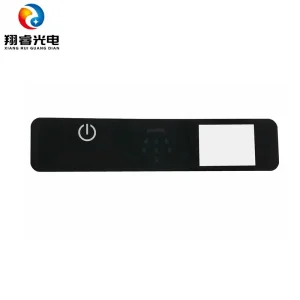
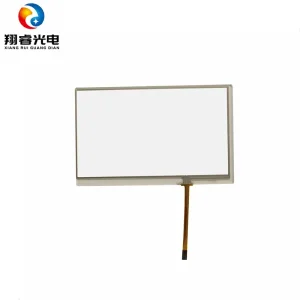
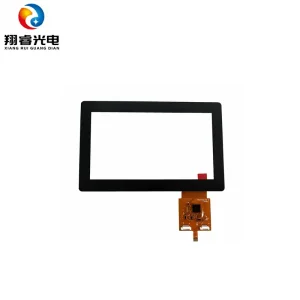
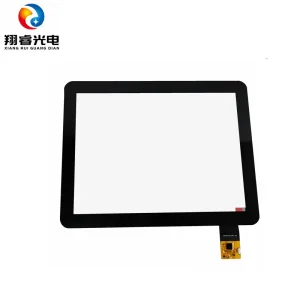
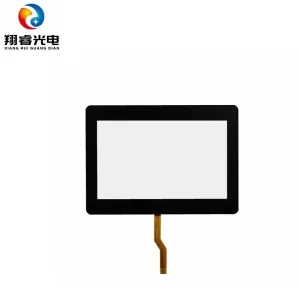
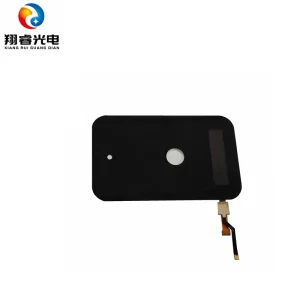
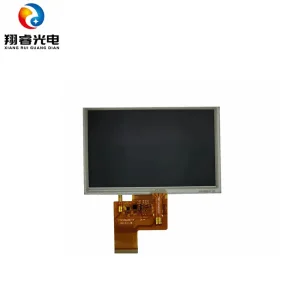
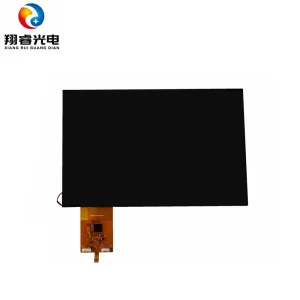
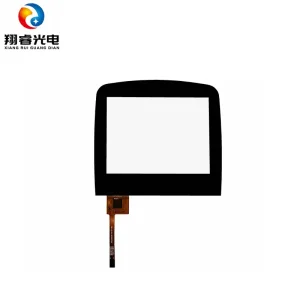
Founded in 2010 and located in Guangzhou, China, we are a premier technology enterprise dedicated to the research, development, production, and custom service of high-performance resistive touch panels, capacitive touch panels, durable cover glass, and precision module bonding solutions (both optical and frame fitting).
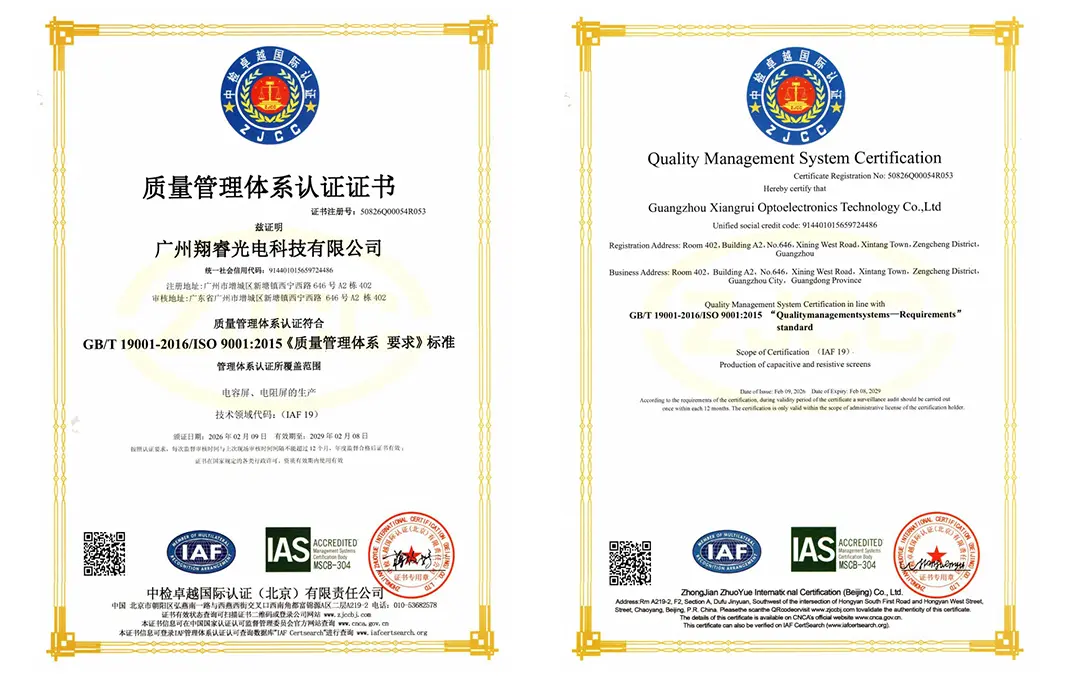
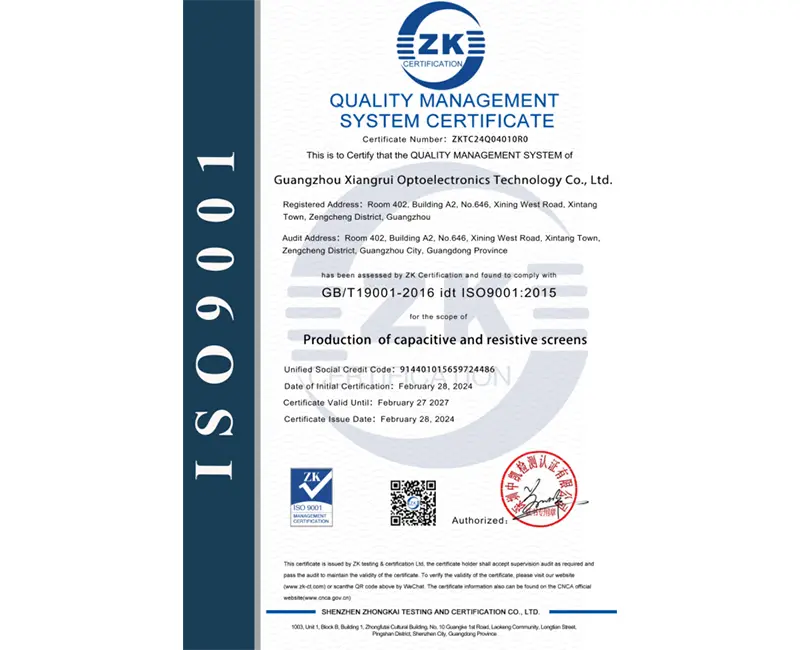
Over the past decade, we have established ourselves as a reliable global partner by strictly observing international quality standards. The company proudly holds ISO 9001:2015 and ISO 14001:2015 management certifications. Our solutions serve complex visual systems in industrial control panels, medical diagnostics, smart home automation, high-end commercial kitchen interfaces, maritime navigation systems, and palm-print recognition security locks.
By constantly deploying new materials and production techniques, we ensure high durability, wide temperature resistance, and extreme water-resistance ratings (up to IP65, IP67, and IP68) across all manufactured hardware interfaces.
In modern industrial and consumer hardware ecosystems, the demand for waterproof touchscreens has evolved beyond simple moisture sealing. Devices must now operate seamlessly under heavy rain, dense humidity, flowing seawater, and chemical washdowns. Traditionally, standard Projected Capacitive (PCAP) screens struggle in these environments because water is a conductive medium. Water droplets on the screen mimic finger touches, causing false triggers or complete operational locks (known as "wet tracking" challenges).
To overcome this, leading manufacturers leverage high-frequency sensor ICs with intelligent firmware tuning. Through mutual-capacitance and self-capacitance sensing algorithms, touchscreens can differentiate between a localized human finger touch and a spread-out water film. This ensures uninterrupted operation even when the surface is fully wet.
Additionally, modern systems demand specialized glass treatments like Anti-Glare (AG), Anti-Reflective (AR), and Anti-Fingerprint (AF) coatings. When coupled with advanced optical bonding (OCA/LOCA), internal air gaps are eliminated, maximizing display legibility under direct sunlight and preventing moisture condensation behind the cover lens.
The industrial market is moving towards displays that support multi-touch operation with both wet hands and thick latex/leather work gloves. This dual-requirement requires high-performance touch IC controllers (such as EETI, Ilitek, and Microchip) running optimized firmware scripts.
Furthermore, structural robustness is guaranteed through chemically tempered cover glass (reaching up to Mohs hardness levels of 7H or higher). This shielding protects the underlying ITO (Indium Tin Oxide) matrix sensor layers from external mechanical stress, impact, and thermal expansion cycles common in outdoor environments.
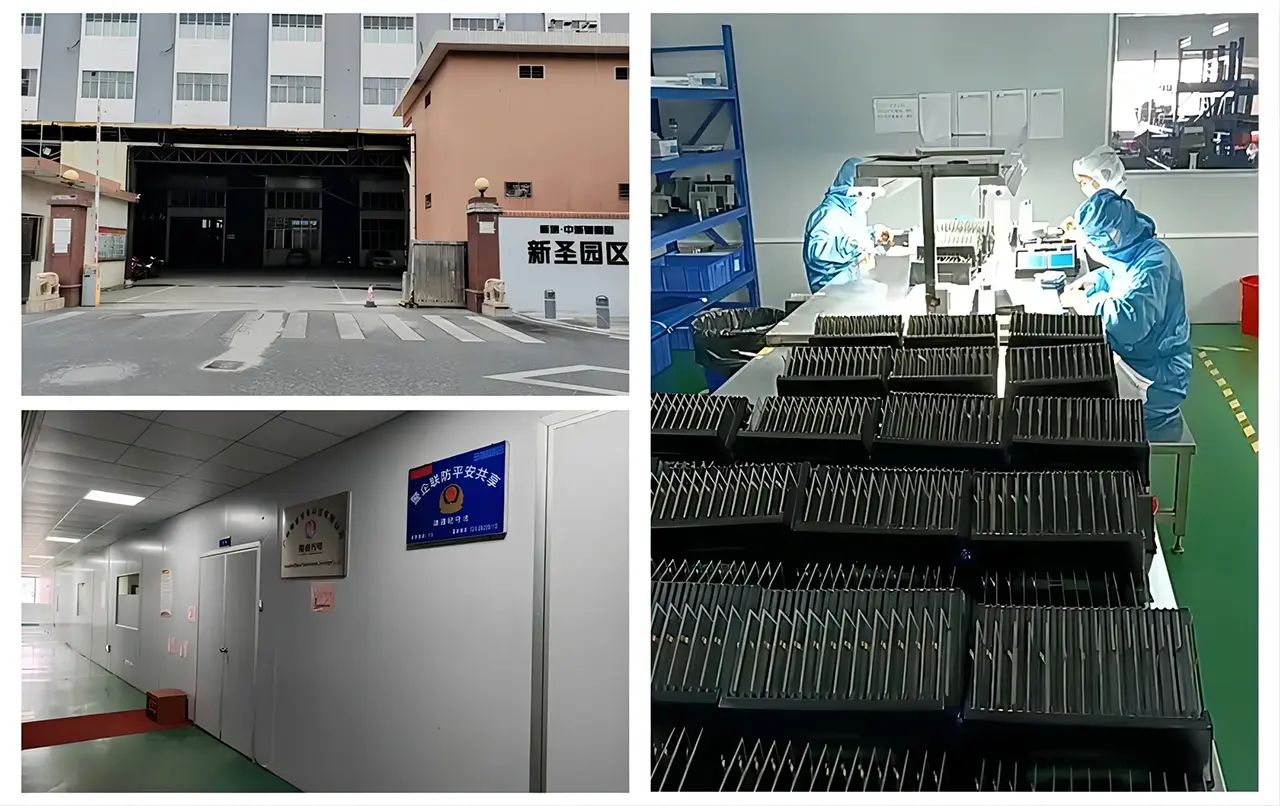
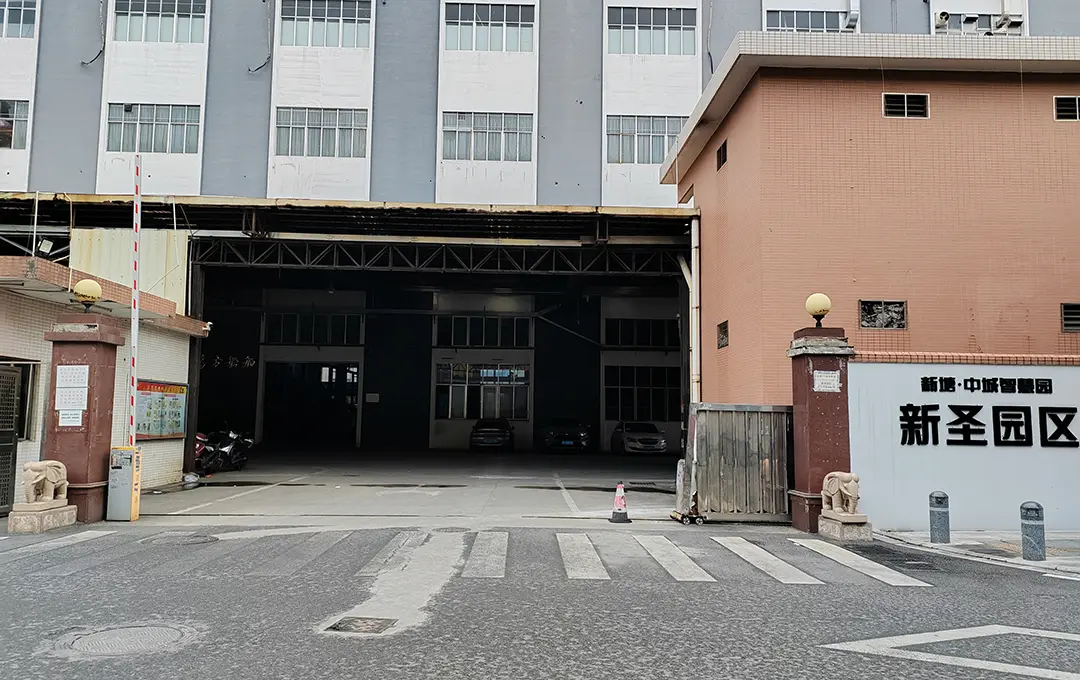
The total plant area of our company is about 3,000 square meters, structured systematically to house our specialized R&D Department, Production Division, Marketing Department, Quality Control Unit, and Logistics Department. To guarantee high precision during sensitive optical assembly procedures, the facility is equipped with Class 100, Class 1,000, and Class 10,000 dust-free cleanrooms. These controlled zones regulate particle counts, humidity levels, and ambient temperatures, preventing optical defects during film-to-glass lamination and display bonding operations.
Operating on a core philosophy of integrity, innovation, and teamwork, we continuously develop new product architectures and explore advanced optoelectronic materials. This ongoing technical development enables us to provide rapid prototyping, reliable custom sizing (ranging from 1.77-inch to over 15.6-inch displays), and secure high-volume manufacturing lines.
We implement custom firmware on IC controllers that utilize adaptive self-capacitance sensing to scan the interface. If water droplets are detected, the system changes touch scan thresholds to dynamic regional evaluations. This suppresses false inputs and tracks only true touch points.
Our cleanrooms perform high-end liquid optically clear adhesive (LOCA) or solid optical sheet (OCA) bonding. This layer matches the refractive index of the glass and LCD, eliminating internal air gaps, preventing fogging under temperature shifts, and improving impact resistance.
We assist engineers in designing structural gaskets and bezels (NEMA 4X and IP ratings). By using chemical-resistant foams and silicone adhesives, we build touch interfaces that stand up to high-pressure hot-water washdowns.
Choosing the right touch panel manufacturer is critical to ensuring your terminal equipment operates reliably in harsh conditions. Xiangrui Optoelectronics operates under a strict quality management system to deliver durable HMI systems:
Developing firmware updates to allow touchscreens to distinguish between running water, stagnant droplets, and salt solutions, maintaining multi-touch capabilities in wet conditions.
Integrating tactile physical feedback patterns beneath solid waterproof cover glass, giving operators mechanical validation of actions even when wearing heavy gloves.
Scaling up optical lamination on complex, curved surfaces, enabling industrial designers to incorporate sleek interfaces into advanced control rooms and consoles.
We use high-performance IC controllers calibrated for dynamic touch profile detection. By using self-capacitance sensing combined with mutual-capacitance scans, the touch controller recognizes the large capacitive footprint of a water droplet or film and filters it out. It only registers the highly localized input from a finger touch, maintaining reliable touch operation in wet conditions.
Optical bonding uses a clear adhesive layer (OCA or LOCA) to join the touch panel directly to the LCD screen, removing the air gap found in air bonding. This layer prevents condensation and fogging inside the panel when exposed to cold or humid environments. Additionally, matching the refractive indices of the glass layers reduces glare, improves sunlight readability, and increases impact resistance.
Yes. We adjust the sensitivity parameters of the touch sensor controller to detect weaker capacitive signals through materials like nitrile, latex, leather, or heavy winter gloves. These settings are customized during prototyping based on the specific gloves used in your operating environment.
Our manufacturing facility operates under the ISO 9001:2015 quality management standard and ISO 14001:2015 environmental guidelines. Our products are engineered to comply with CE, FCC, RoHS, and various IP testing criteria, including IP65, IP67, and IP68 protection ratings.
 Xiangrui Optoelectronics