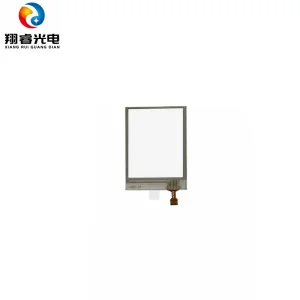
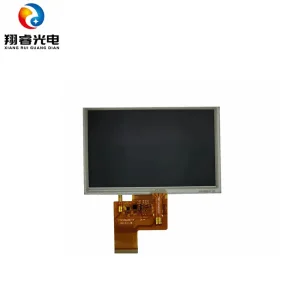
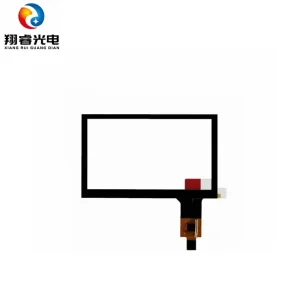
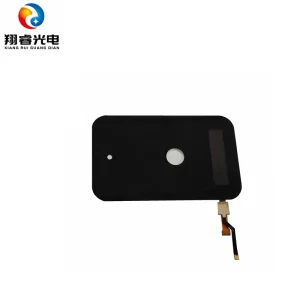
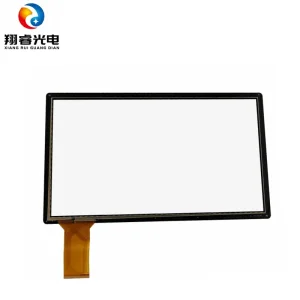
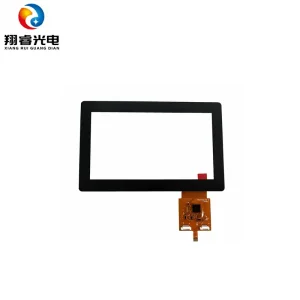
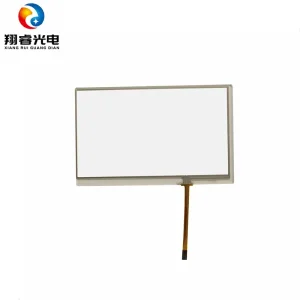
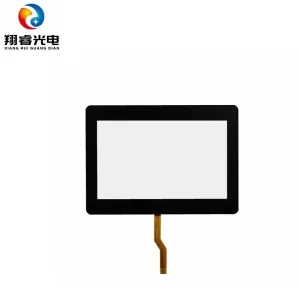
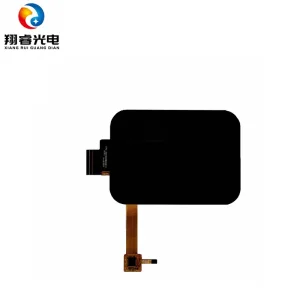
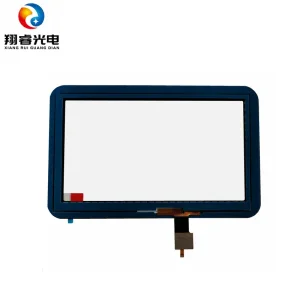
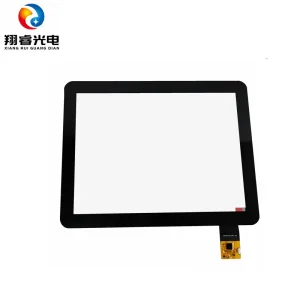
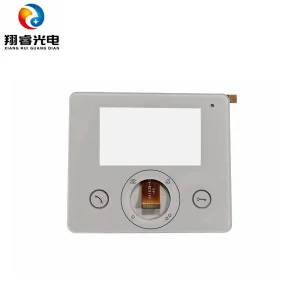
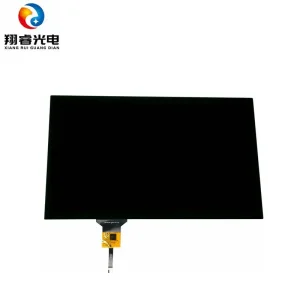
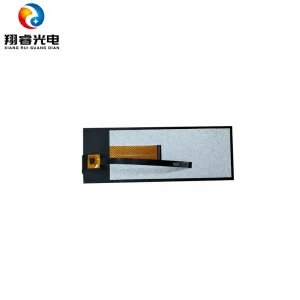
Explore our highly reliable, custom-engineered capacitive and resistive touch panels developed to perform in the most demanding operational settings.
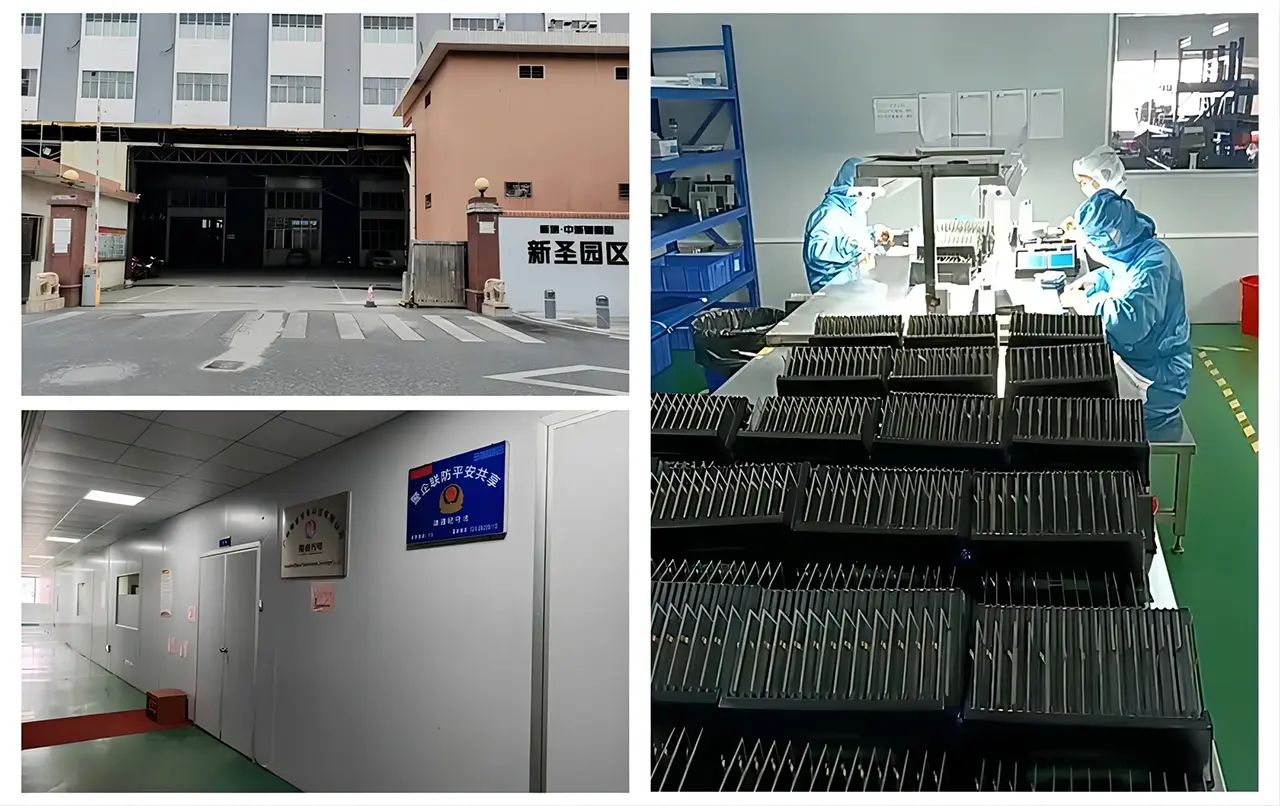
Founded in 2010 and located in the industrial manufacturing hub of Guangzhou, China, we are a high-tech pioneer dedicated to the comprehensive research, development, production, and worldwide service of custom resistive and capacitive touch panels. By integrating cover glass processing, optical bonding, and custom FPC designs under one roof, we empower OEMs globally to achieve seamless, high-performance display integrations.
Our facility operates highly specialized Class 100, Class 1000, and Class 10000 dust-free cleanrooms. This configuration ensures that every step—from sensor coating to final frame fitting and optical bonding—meets the highest particulate control standards, guaranteeing optical clarity and dust-free longevity for all industrial components.
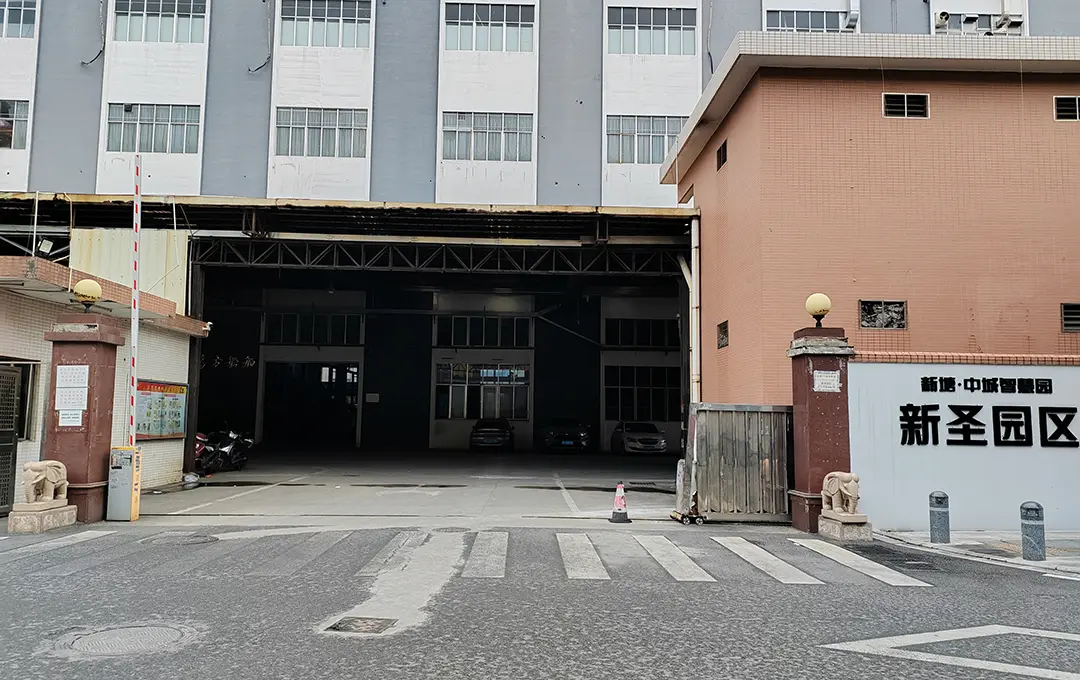
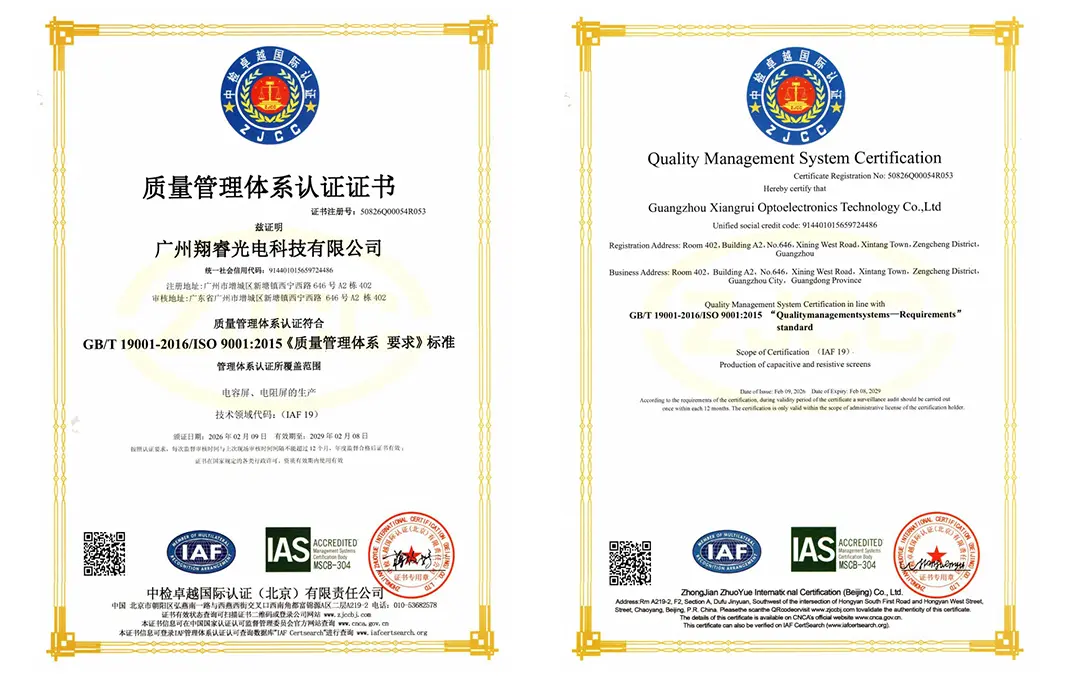
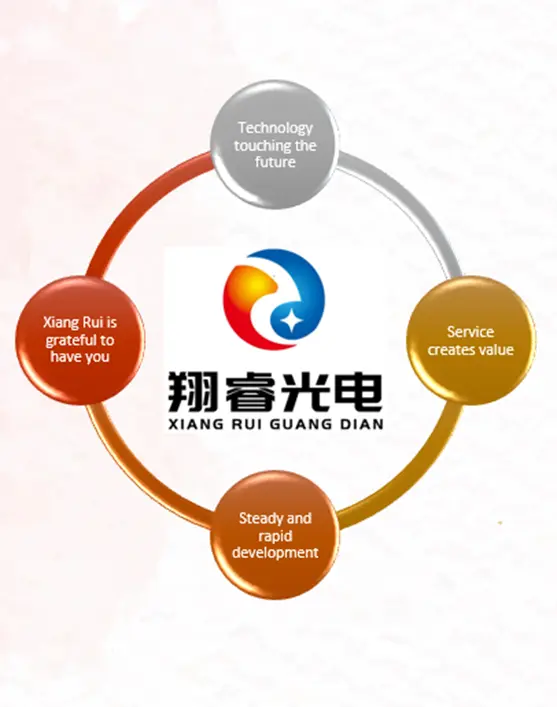
Why Tier-1 industrial manufacturers partner with Guangzhou Xiangrui Optoelectronics for custom touch integrations.
We operate on the principle of reputation first and quality satisfaction. Through reliable delivery timelines and sincere cooperation, we maintain long-term partnerships with leading global brands and HMI hardware manufacturers.
Our production workflow is highly standardized. From raw material inspection to final environmental testing, we ensure that every touch panel conforms to international quality and environmental management guidelines.
Awarded the prestigious "High-Tech Enterprise of Guangdong Province" in 2022, our in-house engineering team continuously refines utility models and invention patents to solve challenging real-world interface problems.
Despite the rise of projected capacitive (PCAP) multi-touch screens, 4-wire resistive touch panels remain a critical technology across commercial, military, and heavy industrial domains. This enduring prominence is not due to a legacy bias, but rather because of the physical stability, electrical noise immunity, and input flexibility inherent in analog resistive architecture. As a premier OEM 4-wire resistive touch supplier, Guangzhou Xiangrui Optoelectronics engineers these systems to excel where capacitive sensors frequently fail.
Core Technical Principle: A 4-wire resistive touch screen operates using two transparent layers—typically an Indium Tin Oxide (ITO) coated polyester (PET) film layer on top, separated by micro-spacer dots from a bottom ITO glass layer. When a physical input applies pressure to the top layer, it makes contact with the bottom layer, creating a resistive voltage divider that yields precise X and Y coordinates. Because the contact relies on mechanical force rather than electrical capacitance, the panel registers inputs from bare fingers, heavy work gloves, styluses, and tools alike.
In highly demanding work environments, human-machine interfaces (HMIs) must withstand extreme variables. 4-wire resistive touch screens provide unique advantages across various vertical markets:
Built using specialized ITO substrates, our panels maintain high linearity and touch accuracy in extreme temperatures ranging from -20°C up to +70°C.
Our analog resistive design is immune to electromagnetic interference (EMI) and high-frequency noise commonly generated by industrial motors, welding tools, and surrounding machinery.
We provide chemical strengthening, anti-glare (AG), anti-reflective (AR), and anti-fingerprint (AF) surface coatings to match your exact application environments.
Globally, the demand for automation is growing. Industrial touch screen manufacturers must offer both robust mechanical design and custom flexibility to remain competitive. Key trends shifting the supply of OEM 4-wire resistive panels include:
Supply Chain Resilience: OEMs require factory partners who control the supply chain from raw materials (ITO film, controllers) to final assembly. Operating our own 3000-square-meter facility in Guangzhou helps reduce lead times and buffer clients from unpredictable global supply shifts.
Integration of Hybrid Displays: Many industrial setups now use hybrid displays that combine touch panels with optical bonding. We utilize high-quality liquid optically clear adhesive (LOCA) or optical gel to bond resistive touch panels directly to the underlying LCD. This process removes the air gap, boosts contrast, minimizes ambient light reflection, and prevents moisture build-up inside the screen.
Resistive touch screens are evolving. While traditional designs suffered from shorter life spans compared to capacitive alternatives, new materials are addressing this limitation:
Get answers to common questions about 4-wire resistive touch panels and our custom OEM manufacturing services.
Explore our secondary lineup of industrial capacitive and resistive panels built for durability and high-precision input.
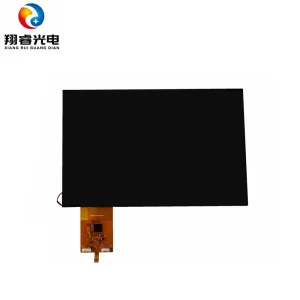
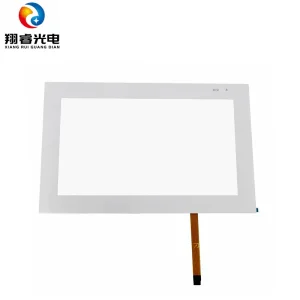
 Xiangrui Optoelectronics