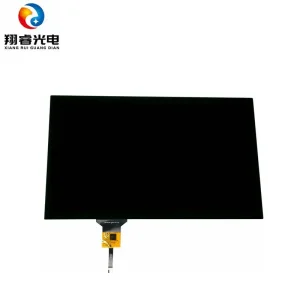
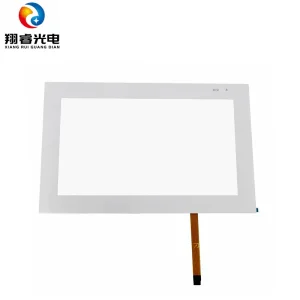
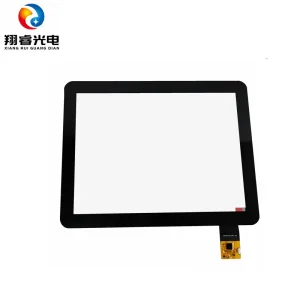
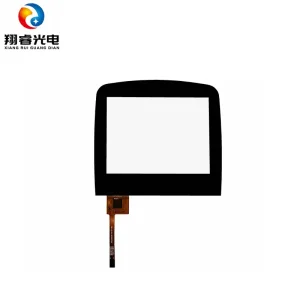
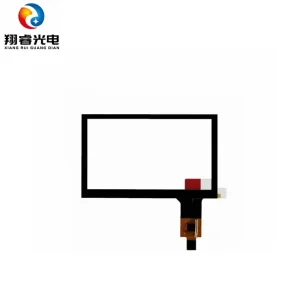
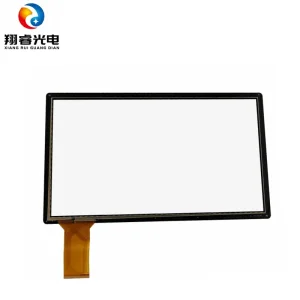
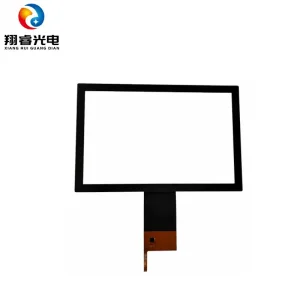
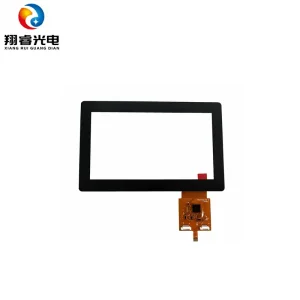
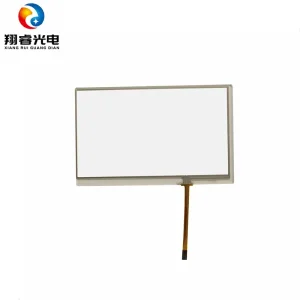
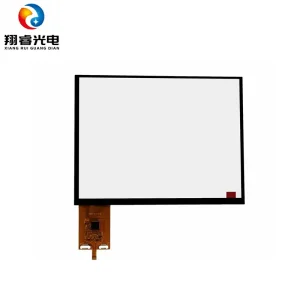
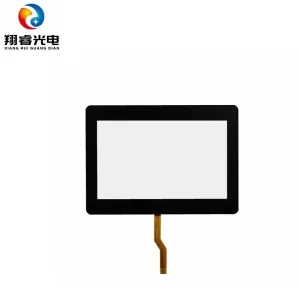
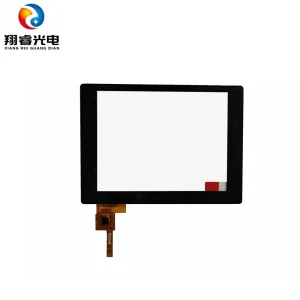
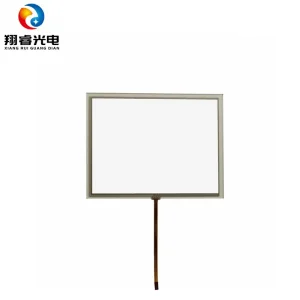
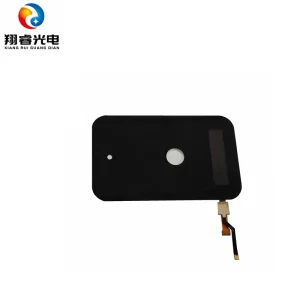
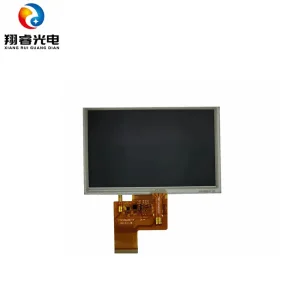
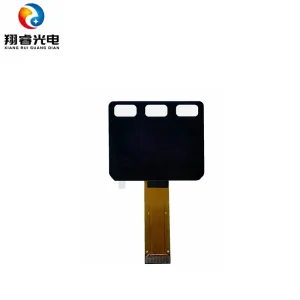
Engineered for high-temperature resilience, extreme durability, and seamless optical integration.
Founded in 2010 and strategically headquartered in Guangzhou, China, Guangzhou Xiangrui Optoelectronics Technology Co., Ltd. has established itself as an industry-leading pioneer in human-machine interface (HMI) manufacturing. We design, develop, and manufacture high-performance resistive touch panels, custom capacitive touch panels, high-durability cover glasses, and full module bonding assemblies.
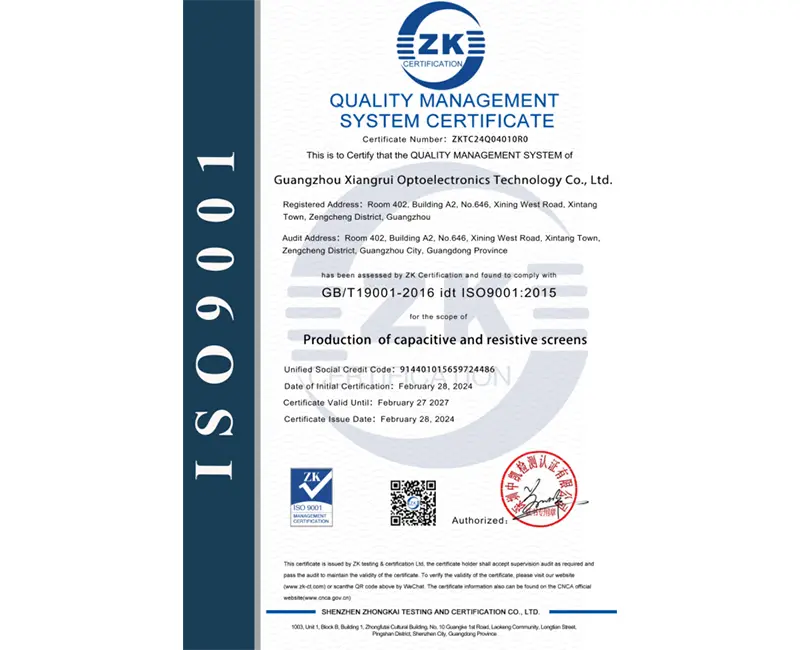
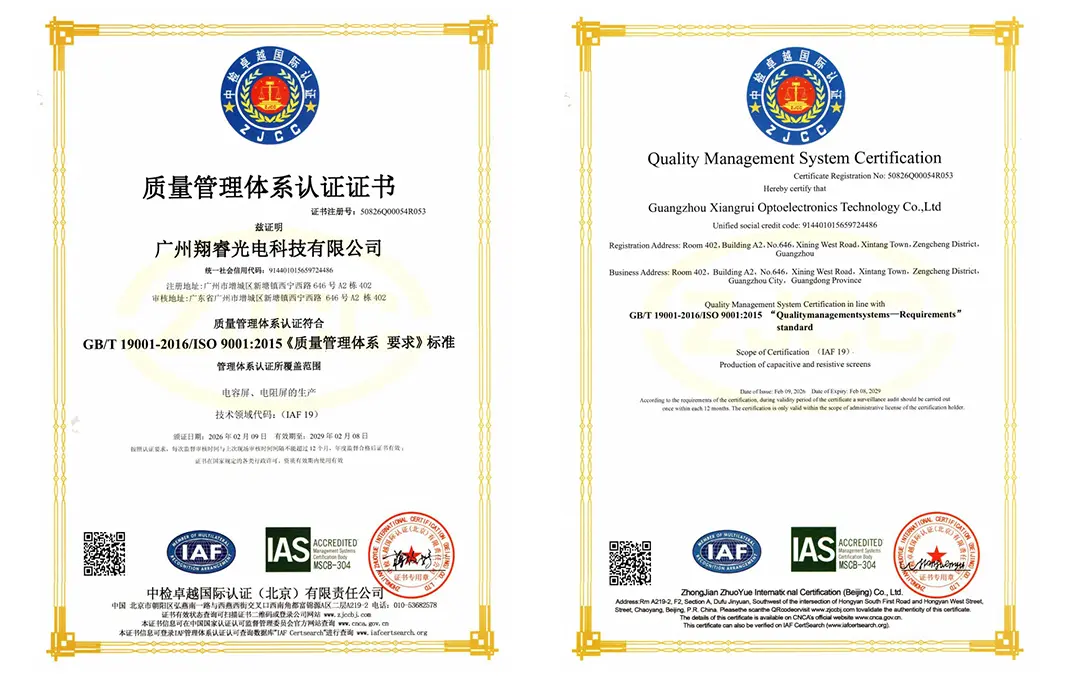
With an unwavering dedication to operational excellence, we serve global enterprise clients by offering robust OEM and ODM solutions. Our production operations are fully certified under ISO 9001 and ISO 14001 quality and environmental standards. We optimize human-centric touch technologies to thrive in highly demanding environments—spanning industrial automation controls, life-critical medical equipment, home appliances, marine instruments, ruggedized outdoor kiosks, and next-generation biometric palm print recognition payment terminals.
The transition from resistive touch screens to advanced multi-touch Projective Capacitive (PCAP) arrays.
Modern capacitive touch interfaces require chemical, mechanical, and electronic coordination. Our technological pipeline addresses the dynamic evolution from standard Glass-to-Glass (GG) stackups to hybrid Glass-Film-Film (GFF) structures and ultra-thin flexible sensor pathways.
Optical Surface Customizations (AG/AR/AF): Standard touch controllers fail in high-glare or moist environments. We incorporate specialized chemical processes directly onto the cover glass:
Optical Bonding Technology: We utilize in-house liquid Optically Clear Resin (OCR) and solid Optically Clear Adhesive (OCA) processes. Removing the air gap between the touch sensor and the underlying LCD panel eliminates internal reflections, prevents internal condensation, improves impact resistance (IK rating optimization), and guarantees consistent high contrast ratios under direct sunlight.
Providing optimized, targeted configurations tailored to specific technical requirements.
Medical touch interfaces require absolute dependability. Our capacitive touch screens support heavy surgical gloved touch (latex, nitrile, neoprene), function reliably in the presence of saline and liquid droplets, and feature high chemical resistance, allowing routine sanitation with aggressive disinfectants (isopropyl alcohol, hydrogen peroxide, bleach) without degrading cover glass coatings.
Factories are harsh environments plagued by electromagnetic noise, vibrations, and high physical stress. Our touch assemblies use industrial-grade controller ICs (EETI, Ilitek, Cypress) that process complex noise-filtering algorithms to combat EMI from nearby variable frequency motor drives. In addition, we configure thick cover glass (up to 10mm) for IK10 mechanical impact protection.
Outdoor deployments expose touch displays to UV radiation, rain, salt water, and temperature swings. We utilize UV-blocking films, optical bonding to eradicate air-water boundary layers, and waterproof touch firmware settings. Our screens perform consistently from bitter arctic conditions (-40°C) to intense desert heat (+85°C) without suffering register drift.
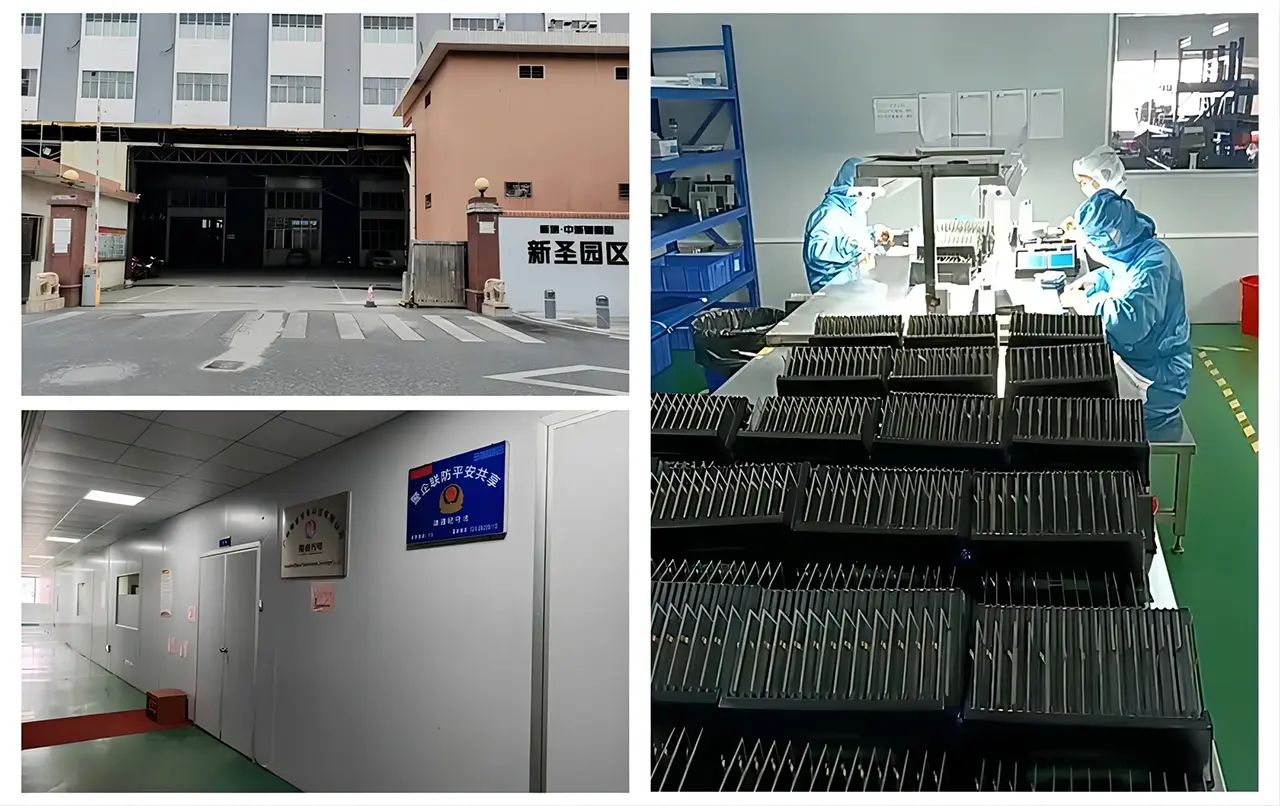
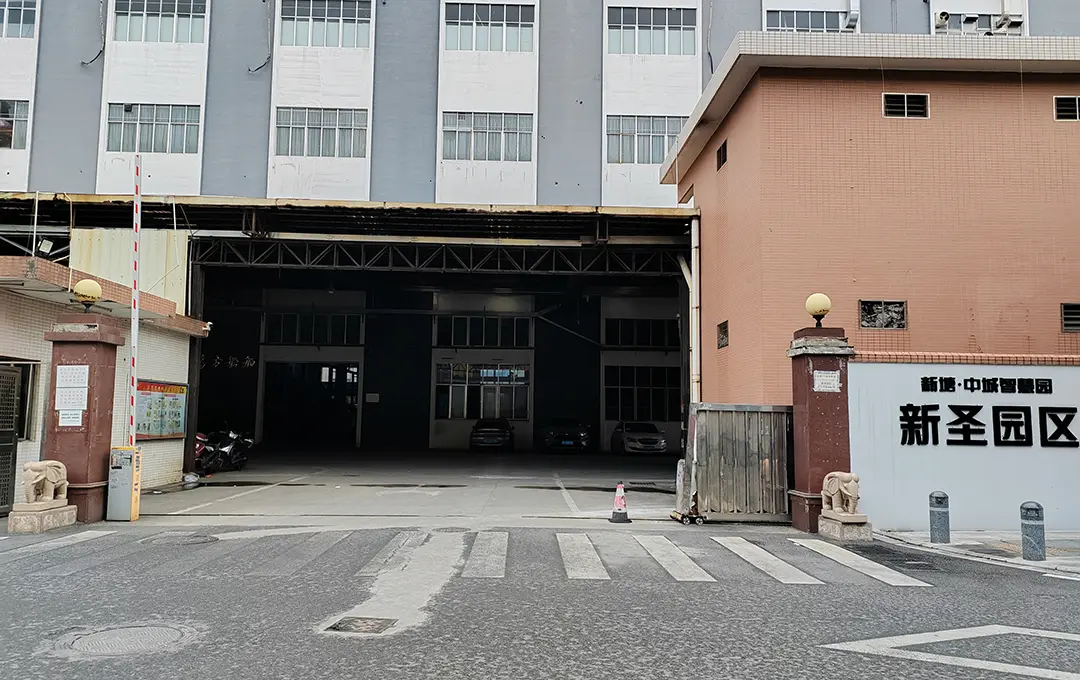
Guangzhou Xiangrui’s 3,000 square meter manufacturing infrastructure is designed to satisfy high-mix, low-volume and high-volume product runs. We house specialized Class 100, Class 1,000, and Class 10,000 cleanroom environments. This localized vertical integration—ranging from sensor processing, chemical glass tempering, FPC bonding to cleanroom module assembly—guarantees absolute control over defect density and particle exclusion.
Operating a modernized manufacturing network in China allows us to optimize supply chains and raw material access, ensuring continuous production. Our close integration with domestic upstream glass suppliers and IC chip designers keeps our development cycles short and pricing stable. The result is rapid prototyping transitions, customizable component sourcing, and reliable delivery, even during periods of global logistics volatility.
Systematic Inspection & Quality Control: To maintain ISO 9001 and ISO 14001 compliance, every product run is subjected to standard performance verification: thermal cycling tests, ESD compliance checks, optical spectrometer verification, and automated cosmetic inspection, guaranteeing that every shipment arrives field-ready.
How we ensure global compliance, supply security, and engineering compatibility.
For international buyers, importing components from overseas demands rigorous compliance with environmental regulations, certification standards, and supply chain accountability. Guangzhou Xiangrui provides a transparent compliance path for system integrators worldwide.
International Standards Compliance: All custom materials, controller ICs, flex cables, and laminating adhesives are fully RoHS and REACH compliant. This guarantees seamless integration into equipment destinated for the European Union and North American markets. Additionally, we support customers in securing FDA compliance for medical touch panels and CE/UL certifications for critical power grids and HMI terminals.
Long-Term Lifecycle Support: We recognize that industrial, medical, and aerospace systems have extended operational lifetimes of 10 to 15 years. To prevent project design disruptions, we practice long-term lifecycle management, offering pin-to-pin compatible replacement products and firmware migration support for legacy touch screen systems.
Expert answers to critical engineering, manufacturing, and customization questions.
Explore our full range of resistive and capacitive touch solutions designed for commercial and industrial markets.
 Xiangrui Optoelectronics