Explore our engineering-focused, high-reliability touch screen solutions manufactured to strict ISO certifications.
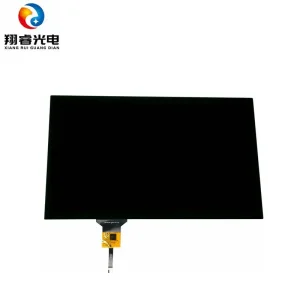
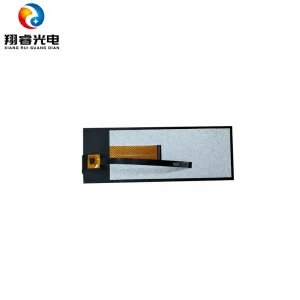
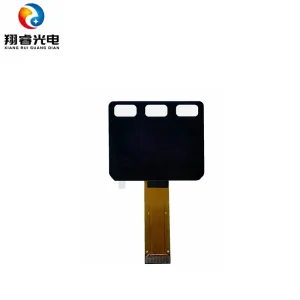
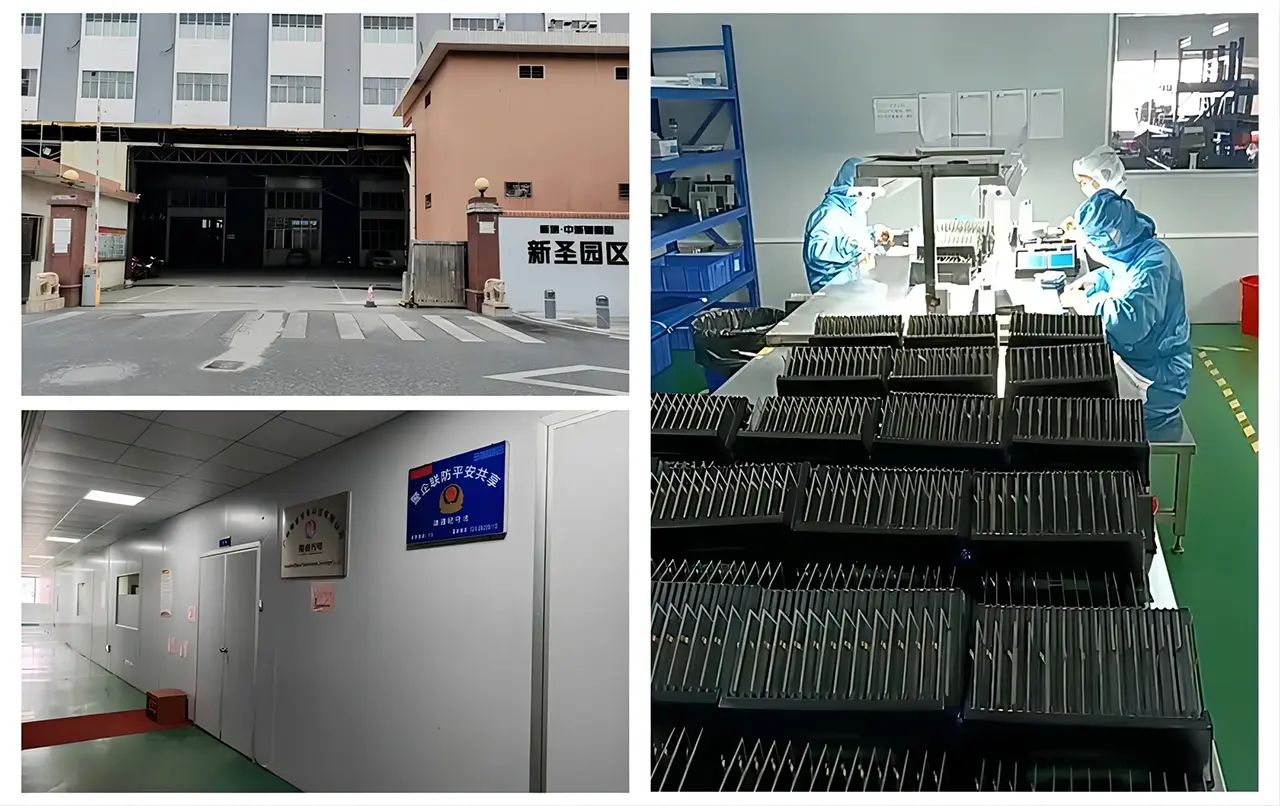
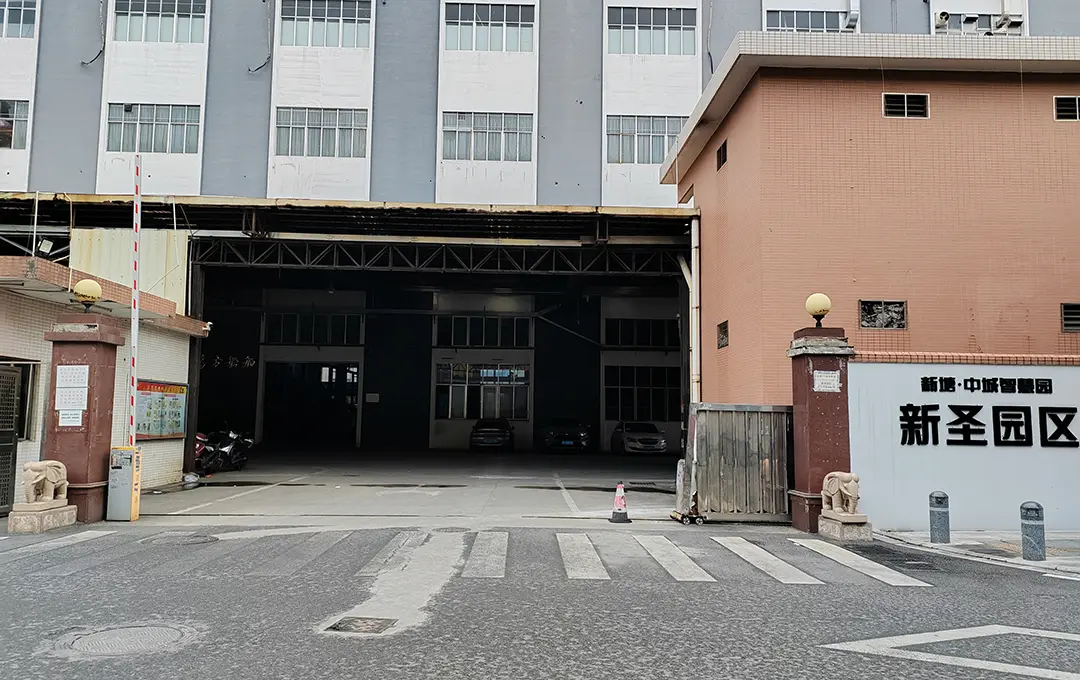
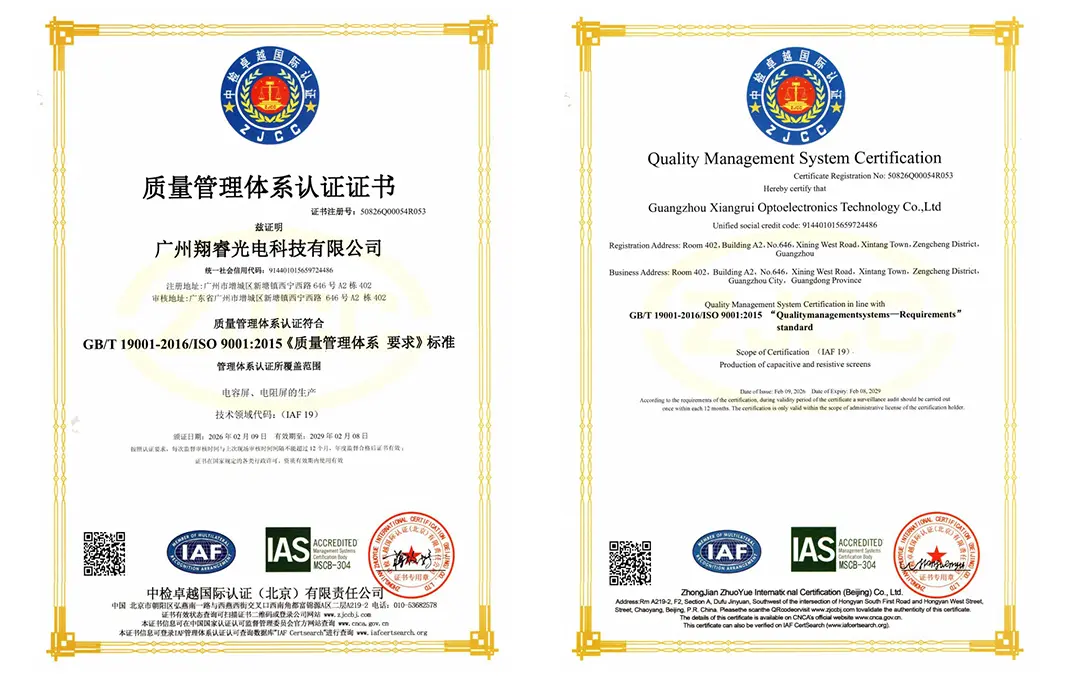
The total plant area of the company is about 3000 square meters. We have structured dedicated divisions including our R&D Department, Production Department, Marketing Department, Quality Department, Finance Department, Purchasing Department, and Human Resources Department to achieve complete life-cycle quality control.
To ensure absolute optical clarity, particles-free touch glass lamination, and long-term durability, we are equipped with Class 100, Class 1000, and Class 10000 dust-free workshops. These cleanrooms meet the strictest international levels required for high-end optical bonding, liquid OCR, and dry OCA film lamination.
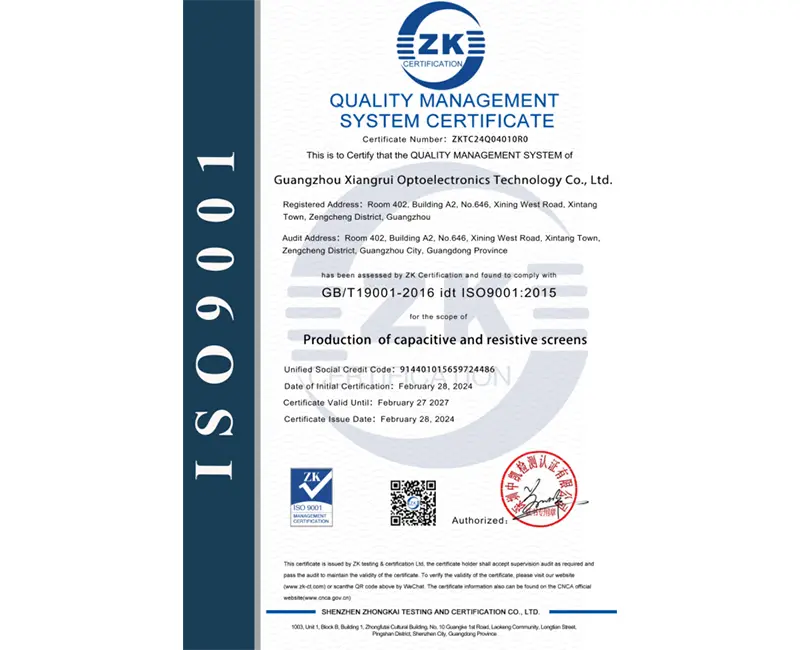
We implement rigid, standardized manufacturing procedures to ensure that every layer—from cover glass to raw FPC connectors and control ICs—conforms to elite quality thresholds.
Recognized as a Guangdong Province High-Tech Enterprise in 2022. Our R&D engineers continuously patent new utility solutions for challenging environments.
We work hand-in-hand with leading global distributors and solution providers, assuring on-time delivery, tailored design adjustments, and long lifecycle availability.
A comprehensive whitepaper for global procurement managers, product developers, and mechanical designers.
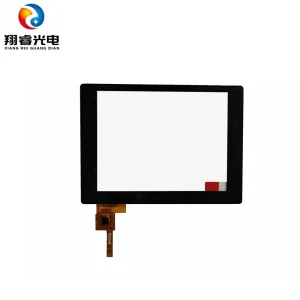
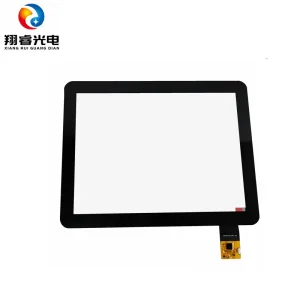
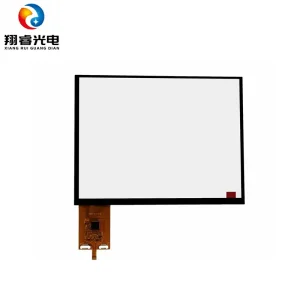
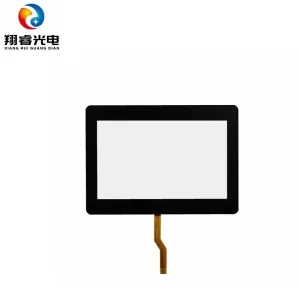
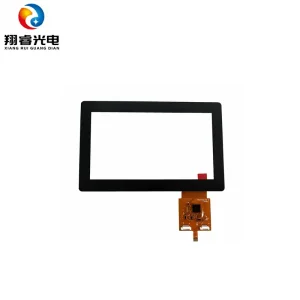
Selecting the appropriate touch topology is critical for field longevity. Projected Capacitive (PCAP) screens offer multi-touch capabilities (up to 10 points), superior optical clarity (typical light transmission > 88%), and extreme durability, as they rely on an electrostatic field projected through the cover lens. This makes PCAP the industry standard for consumer-facing kiosks, medical instrumentation, and smart home control displays.
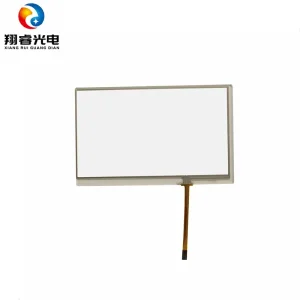
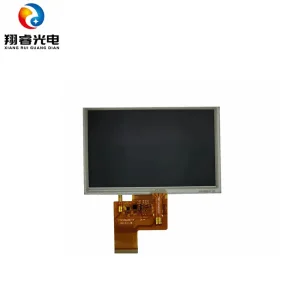
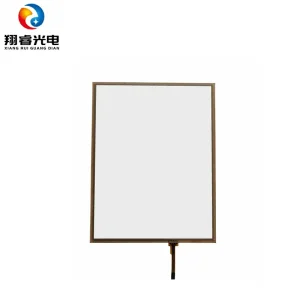
Conversely, Resistive Touch Panels (available in 4-wire and 5-wire architectures) rely on mechanical pressure to connect the ITO conductive layers. While they limit touch to a single point and exhibit lower light transmission (approx. 75-80%), they offer unparalleled noise immunity. Resistive panels are ideal in heavy industrial plants where workers must operate machinery wearing thick insulated gloves, or in EMI-polluted electrical environments.
Laminating a touch sensor to an LCD module is executed through two primary methods:
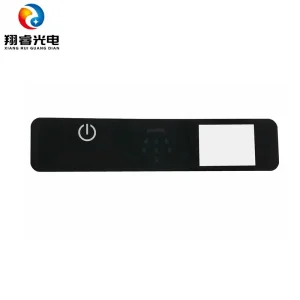
We offer customized chemical enhancements including Anti-Glare (AG) etching to scatter ambient reflections, Anti-Reflective (AR) coating to maximize display transmission, and Anti-Fingerprint/Anti-Smudge (AF) hydrophobic treatments to facilitate easy maintenance.
For demanding military, transportation, and marine applications, our modules are tested to withstand extreme temperature fluctuations from -30°C to +85°C without experiencing localized touch drift, cover delamination, or LCD bubbling.
Guangzhou, located at the core of the Pearl River Delta display cluster, offers distinct manufacturing and supply chain advantages. Our proximity to premium raw material suppliers—including specialized ITO glass processors, flexible printed circuit (FPC) manufacturers, and leading controller IC designers (EETI, ILITEK, FocalTech)—ensures rapid prototyping and minimal material transit times. By integrating design, cleanroom lamination, and reliability testing in-house, we reduce production overheads and pass significant cost savings directly to OEM buyers.
Exporting touch screens to global markets requires compliance with international regulatory frameworks. Guangzhou Xiangrui Optoelectronics ensures all custom and standard components comply with RoHS (Restriction of Hazardous Substances) and REACH requirements, eliminating shipment disruptions at European and North American ports.
Furthermore, we provide complete engineering files including STEP 3D CAD files, electrical pinouts, and custom controller firmware to assist your engineering teams. If EMI disturbances occur during system integration, our application engineers can modify sensor firmware registers remotely or provide physical shielding solutions to assure trouble-free CE/FCC system-level certification.
Engineered for high performance, reliability, and long lifecycle stability across various vertical industries.
Our capacitive screens feature optical bonding, making them highly resistant to liquid ingress, standard chemical cleaning agents, and hospital disinfectant wipes. Optimized touch controllers support reliable interaction with surgical latex gloves.
Designed for constant operation on busy manufacturing floors. Heavy duty cover glasses (up to 6mm thickness) provide excellent mechanical impact resistance (IK08 to IK10), keeping machinery active without downtime.
Engineered to withstand high-volume public interaction. Our integration of scratch-resistant surface hardness (7H Mohs rating) and advanced cover plate options ensures that your payment terminal screens stay clean and readable.
Get answers to common technical, production, and custom ordering questions from our factory engineers.
We provide full-spectrum customization. This includes custom cover glass shape, thickness (0.5mm to 10mm), border printing color/logo, surface treatments (AG, AR, AF), customized FPC pin definition and cable length, optical bonding of touch to your specific LCD panels, and specialized control IC tuning for unique environments.
Every design undergoes thorough laboratory reliability testing before mass production. Tests include high-temperature/high-humidity storage (e.g., 60°C / 90% RH for 240 hours), thermal shock cycling (-40°C to +85°C), electrostatic discharge resistance (ESD air 15KV, contact 8KV), ball-drop mechanical tests for cover glass resistance, and salt spray testing for marine-grade designs.
Yes, our capacitive touch controllers (from EETI, ILITEK, and FocalTech) can be configured with customized firmware that detects and filters out noise from water droplets, preventing false inputs. The panels can also be calibrated to detect touch commands from various glove thicknesses, including thin nitrile laboratory gloves and heavy industrial thermal work gloves.
Standard tooling and design of a custom touch sensor sample takes approximately 12 to 18 working days. Once customer samples are approved and certified, mass production runs are completed in 3 to 4 weeks depending on the order volume.
Optical bonding fills the internal air gap between the touch sensor and LCD panel with optical-grade gel. This improves outdoor sunlight visibility by eliminating internal light refraction and prevents condensation behind the glass, which is common in high-humidity applications. Tape bonding is more economical, but best suited for indoor-use products.
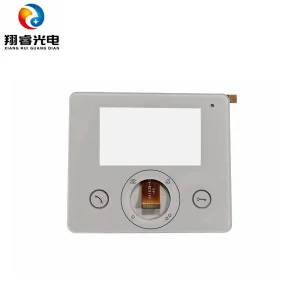
Designed for durability, offering direct integrations, tactile feedback, and chemical/waterproof resistance.
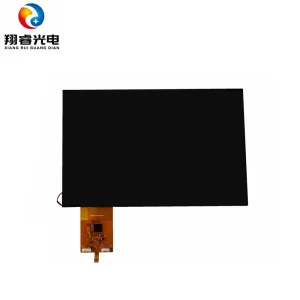
 Xiangrui Optoelectronics