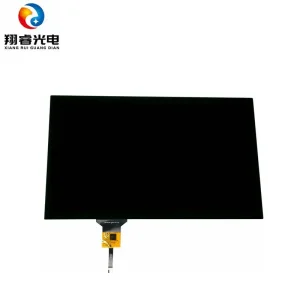
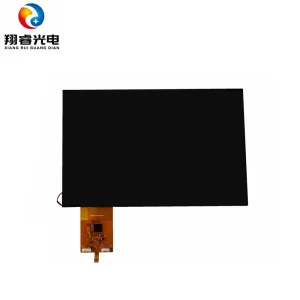
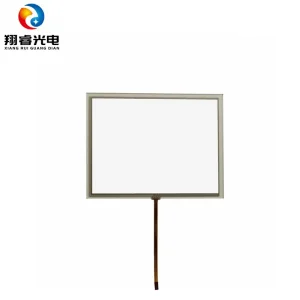
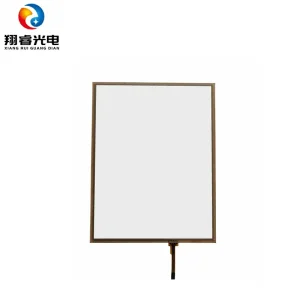
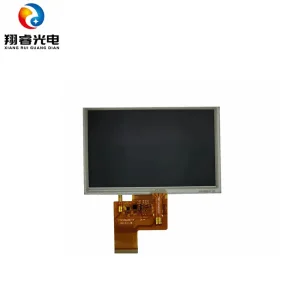
However, procuring high-performance displays requires a deep understanding of more than just panel diagonal dimensions. For hardware engineers and procurement directors, finding a reliable OEM screen 15.6 inches supplier and factory means evaluating the exact layering mechanics—ranging from capacitive (PCAP) to resistive films—and assessing how the optical path behaves under harsh environmental conditions. The distinction between a consumer-grade laptop panel and a rugged, wide-temperature industrial monitor lies in its mechanical chassis, electromagnetic compatibility (EMC), and cleanroom lamination standards.
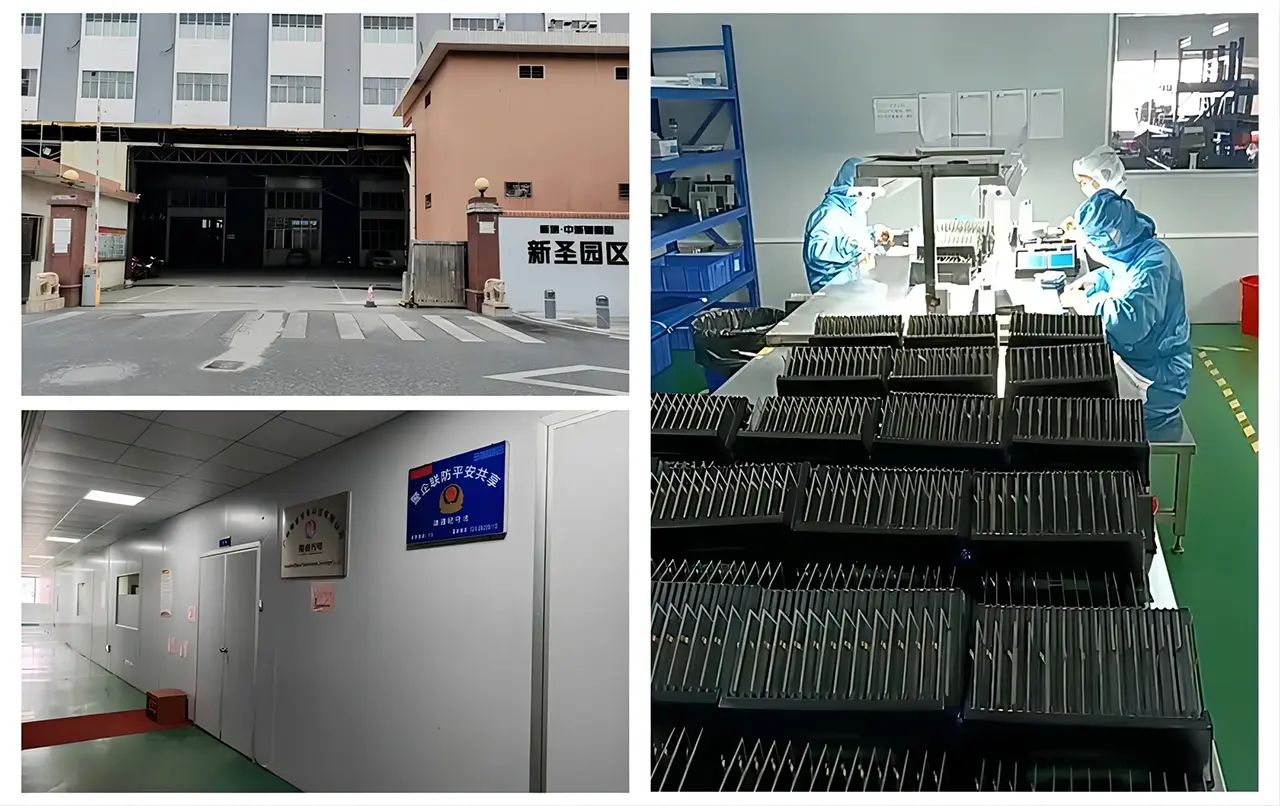
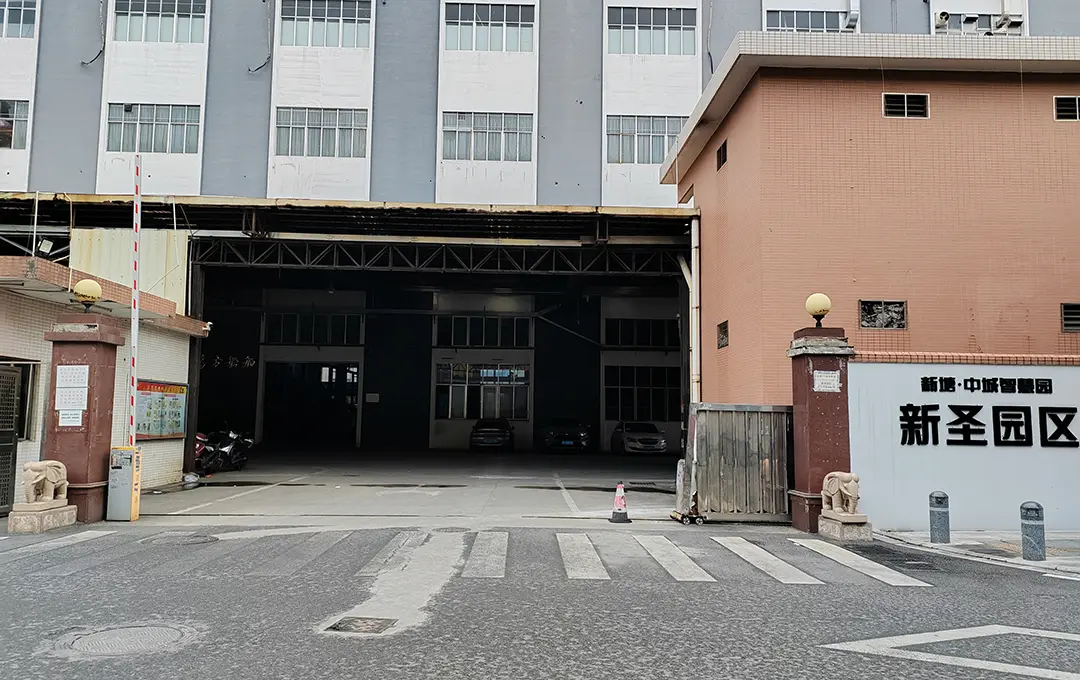
Established in 2010 in Guangzhou, China, we are an engineering-driven company focused on the R&D, fabrication, assembly, and service of advanced resistive touch panels, projected capacitive (PCAP) touch screens, cover glass custom solutions, and fully integrated optical bonding modules. We provide specialized customization, OEM, and ODM services to meet demanding performance criteria.
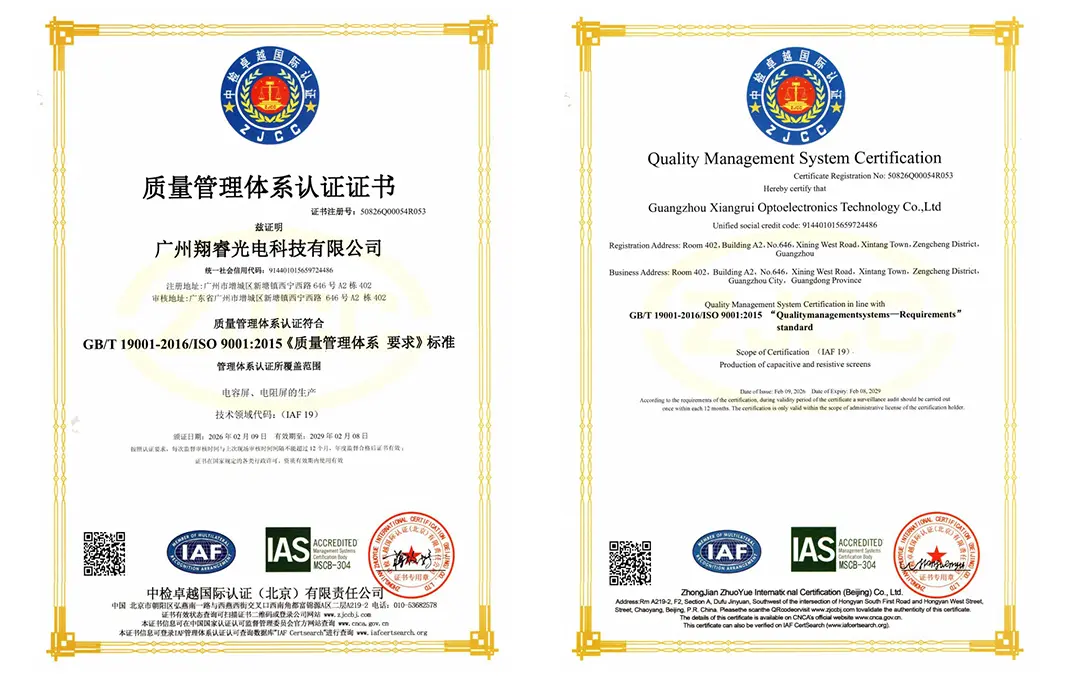
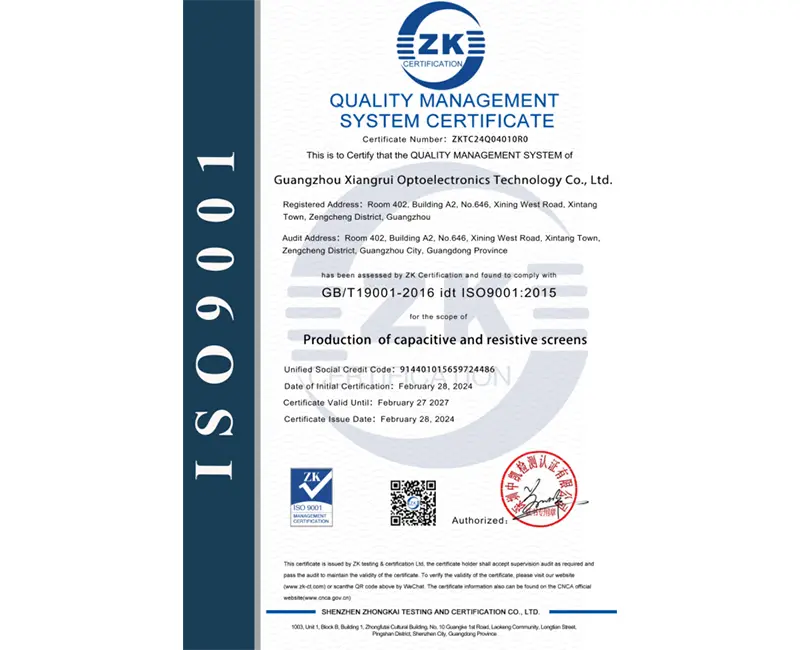
With certified compliance to ISO 9001 and ISO 14001 international management systems, our products support critical operations globally. Our displays serve industrial control units, medical terminals, major home appliances, smart home controls, rugged outdoor kiosks, and palmprint-based biometric authentication payment systems.
Developing reliable touch interfaces in the 15.6-inch range requires choosing the right touch and assembly architecture. The comparison below illustrates the trade-offs between resistive interfaces (ideal for cost-efficiency and heavy shielding) and capacitive technology (which supports multi-touch interfaces, thick cover lenses, and optical bonding).
| Performance Metrics | Analog Resistive (4/5/8-Wire) | Projected Capacitive (PCAP) | Optical Bonding Modules |
|---|---|---|---|
| Optical Transmittance | 75% - 82% (High reflection at interfaces) | 88% - 92% (High glass clarity) | > 96% (Eliminated internal air gap) |
| Durability & Mohs Scale | Typically < 3H (Sensitive to scratches) | ≥ 6H - 7H (Corning Gorilla / Chem-Strengthened) | ≥ 7H + high shock/impact isolation |
| Operating Temperature | -20°C to +70°C | -30°C to +80°C (Wide industrial range) | -40°C to +85°C (Optimized thermal transfer) |
| Touch Activation Input | Any object (stylus, gloved hand, plastic) | Conductive fingers, thin gloves, specialized pens | Supports thick gloves & water-rejection firmware |
| MTBF (Mean Time Between Failures) | ~ 1 to 5 million actuations | > 50 million touch points | Maximized due to structural stabilization |
In standard display integration, an air gap exists between the touch sensor sheet and the liquid crystal display (LCD). This air gap creates index-of-refraction shifts, reflecting ambient light back to the user and reducing screen contrast under bright conditions.
Guangzhou Xiangrui utilizes Optically Clear Adhesives (OCA) and Liquid Optically Clear Adhesives (LOCA) to fill this gap. By matching the refractive index of the glass (typically n ≈ 1.51), optical bonding reduces internal light reflection to less than 0.5%. This shift yields several benefits:
Factory environments present challenges like electrical noise, physical impacts, and water or chemical spray. Our 15.6-inch screens feature high-noise immunity controllers (IC choices like EETI or Ilitek) that support heavy-duty touch functionality, even when operators wear thick working gloves.
Medical equipment must meet hygiene and chemical resistance standards. Our capacitive display modules feature a flush bezel-free structure, allowing for easy cleaning with aggressive cleaning solutions. We also offer customization for Anti-Glare (AG), Anti-Reflective (AR), and Anti-Fingerprint (AF) surface coatings.
Operating systems under direct sunlight requires high contrast and UV protection. Our optical bonding stacks include custom UV blocking films to protect polarizer layers. Additionally, we integrate high-brightness LEDs to deliver up to 1500 nits of light for daylight legibility.
At Guangzhou Xiangrui, we run a facility featuring specialized cleanroom zones. Touch panel lamination and optical bonding are sensitive processes; a single dust particle can lead to optical defects or air pocket failures.
By separating our processes, we ensure that:
Our location in Guangzhou puts us at the center of the South China display supply chain. We maintain partnerships with top glass and component suppliers, ensuring stable lead times and access to high-quality raw materials. Every component, from driver ICs (EETI, Ilitek, FocalTech) to cover sheets, undergoes inspection before assembly.
For procurement managers, evaluating a supplier based on unit price alone can lead to hidden costs, including replacement expenses from premature failures or delayed delivery cycles. A comprehensive Total Cost of Ownership (TCO) evaluation model should examine:
Industrial projects often require product cycles of 5 to 10 years. We offer extended End-of-Life (EOL) notice periods and maintain component storage to prevent system redesign costs for our clients.
We provide engineering support during the design-in phase, offering 3D CAD modeling, custom tail configurations, and firmware adjustments for cover glass thicknesses up to 10mm.
Our validation processes involve thermal shock testing, relative humidity resistance testing (damp heat storage), salt spray chamber testing, and ESD testing to ensure stability in demanding environments.
Our quality management system, certified to ISO 9001 and ISO 14001 standards, covers every step of our manufacturing workflow. Every batch of 15.6-inch touch panels and screens undergoes testing before shipping:
Our products meet international compliance standards, including CE, FCC, RoHS, and REACH. Additionally, we provide localized engineering assistance to help integrate our touch display modules into end-user devices, assisting with safety tests and EMI emission limits.
 Xiangrui Optoelectronics